


What's Happening?
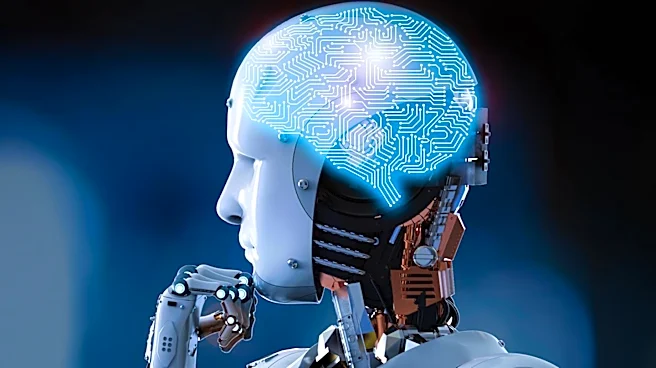
Washington State University's AgWeatherNet, the oldest and largest system of its kind in the U.S., is integrating artificial intelligence and machine learning to enhance its data-driven decision-making tools for farmers. The system, which consists of nearly
370 weather stations, collects real-time data on various environmental factors such as temperature, humidity, and wind speed. This data is now being used to develop more precise models that assist farmers in making informed decisions about crop management, livestock care, and human health. The integration of AI aims to improve the accuracy of these models, allowing for better management decisions and potentially transforming agricultural practices.
Why It's Important?
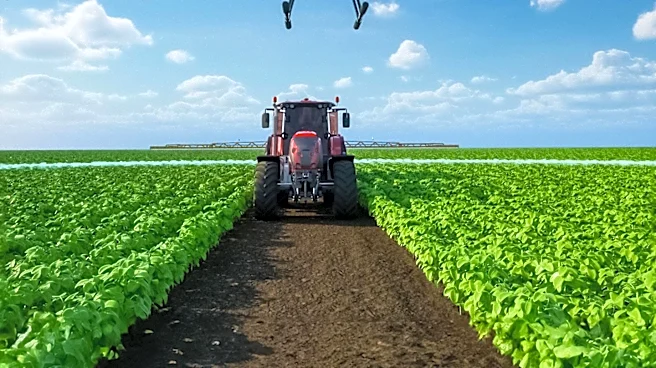
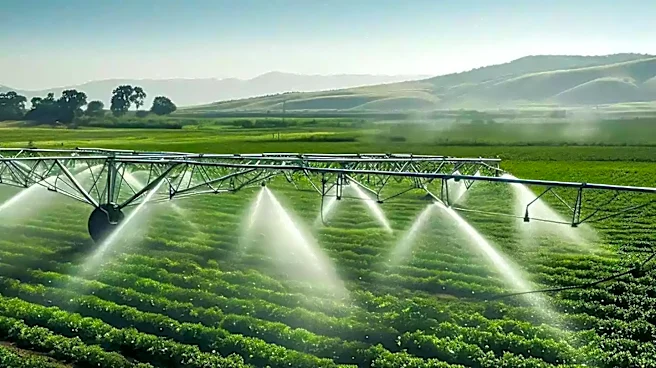
The integration of AI into agricultural systems like AgWeatherNet represents a significant advancement in precision agriculture. By leveraging AI, farmers can optimize their operations, leading to increased efficiency and productivity. This technological enhancement is crucial for addressing challenges such as climate change, resource management, and food security. The ability to make data-driven decisions can help farmers reduce waste, improve crop yields, and enhance sustainability. Additionally, the economic impact of such advancements could be substantial, providing farmers with tools to better manage their resources and potentially increasing profitability.
What's Next?
As AI continues to be integrated into agricultural systems, further developments and upgrades are expected. The ongoing enhancement of AgWeatherNet will likely lead to more sophisticated models and tools, offering even greater precision in agricultural decision-making. Stakeholders, including farmers, researchers, and policymakers, will need to collaborate to ensure the successful implementation and adoption of these technologies. Future steps may include expanding the system's capabilities, increasing the number of weather stations, and exploring additional applications of AI in agriculture.