







What's Happening?
A significant number of young adults in the U.S. are living with their parents due to soaring housing costs. According to data from Realtor.com, approximately 25.2 million adults under the age of 35, or about one in three, are residing with their parents.
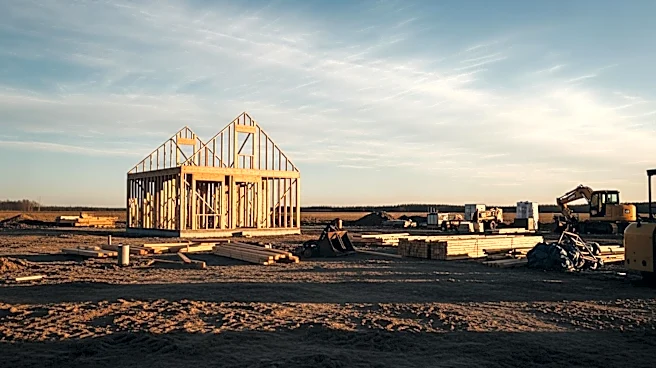
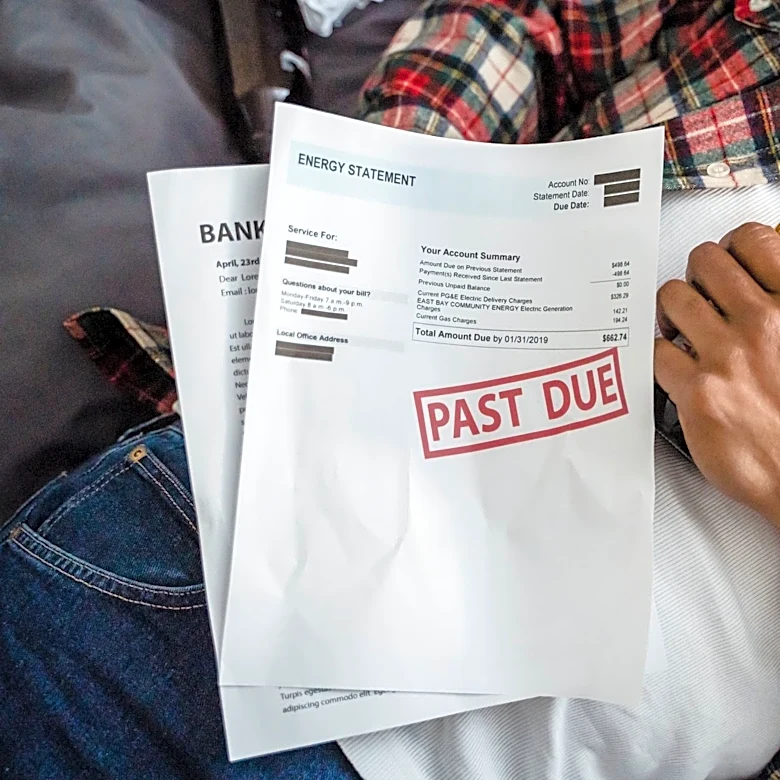
This trend is attributed to the high cost of housing, which remains a barrier even for those with jobs and college degrees. The U.S. housing market is currently short by about 4 million homes, particularly entry-level properties, a gap that has widened since the 2008 financial crisis. The national median home listing price has risen to $430,000, and the median rent has increased to $1,673, making it difficult for young adults to afford independent living.
Why It's Important?
The trend of young adults living with their parents has significant implications for the housing market and the economy. It represents a generation of latent demand that the market has not absorbed, as these individuals are not forming new households, signing leases, or purchasing starter homes. This delay in entering the housing market can have long-term financial consequences, as it postpones the ability of young adults to build housing equity. The situation is exacerbated by projections that the national median home price could reach $1 million by 2050, further complicating the path to homeownership for future generations.
What's Next?
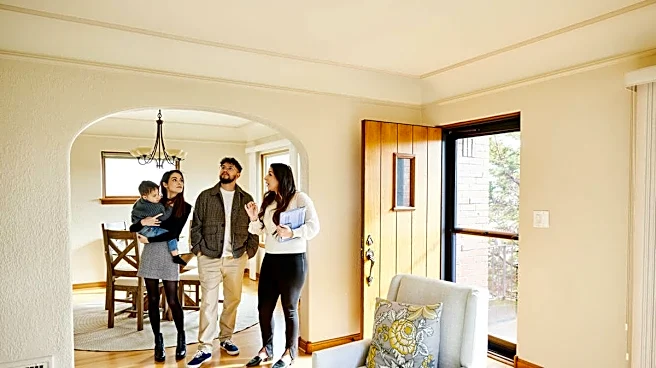
As housing affordability improves or more homes are built, it is expected that many young adults who have postponed renting or buying will enter the market. This could lead to a surge in housing demand, potentially driving up prices further if supply does not keep pace. Policymakers and industry leaders may need to address the supply shortage and explore solutions to make housing more affordable to accommodate this potential influx of new buyers.