






What's Happening?
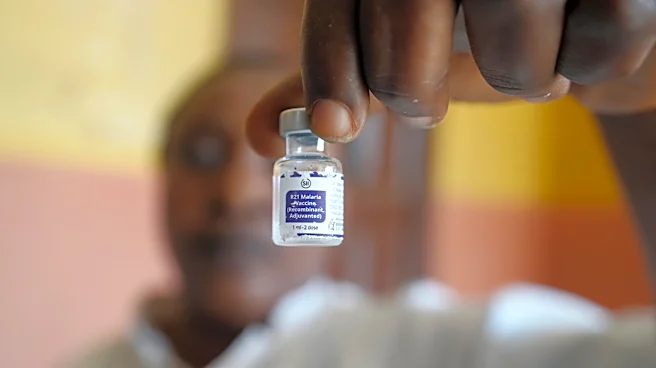
The Centers for Disease Control and Prevention (CDC) has reported a decline in the vaccination rates for Haemophilus influenzae type b (Hib) among U.S. infants. The percentage of babies receiving the full Hib vaccination series dropped from 78.8% in 2019
to 77.6% in 2021. Hib is a bacterial infection that can lead to severe diseases such as meningitis, pneumonia, and even death, particularly in children. The vaccine, which is typically administered in a series of three to four doses starting at two months of age, has been highly effective in reducing the incidence of Hib-related diseases. However, the recent decline in vaccination rates has raised alarms among health experts, who fear a resurgence of this potentially lethal disease.
Why It's Important?
The decline in Hib vaccination rates is significant because it could lead to an increase in cases of this serious bacterial infection, which was largely controlled following the introduction of the vaccine. A resurgence of Hib could result in more hospitalizations and fatalities, particularly among children who are most vulnerable to the disease. The situation underscores the broader issue of vaccine hesitancy, which has been exacerbated by misinformation and skepticism about vaccines in general. If vaccination rates continue to fall, the U.S. could see a return of diseases that were previously under control, posing a public health risk and potentially overwhelming healthcare systems.
What's Next?
Health officials and experts are likely to intensify efforts to promote vaccination and address vaccine hesitancy. This may include public health campaigns to educate parents about the importance of the Hib vaccine and the risks associated with not vaccinating children. Additionally, healthcare providers may increase outreach to ensure that children receive their vaccinations on schedule. Monitoring of Hib cases will continue, and any increase in cases could prompt further public health interventions to prevent an outbreak.
Beyond the Headlines
The decline in Hib vaccination rates highlights a broader trend of vaccine hesitancy that could have long-term implications for public health. As more parents opt out of vaccinating their children, the risk of outbreaks of various preventable diseases increases. This situation also raises ethical questions about individual choice versus community health, as unvaccinated individuals can contribute to the spread of infectious diseases. Addressing vaccine hesitancy will require a multifaceted approach, including policy changes, education, and community engagement to rebuild trust in vaccines.