







What's Happening?
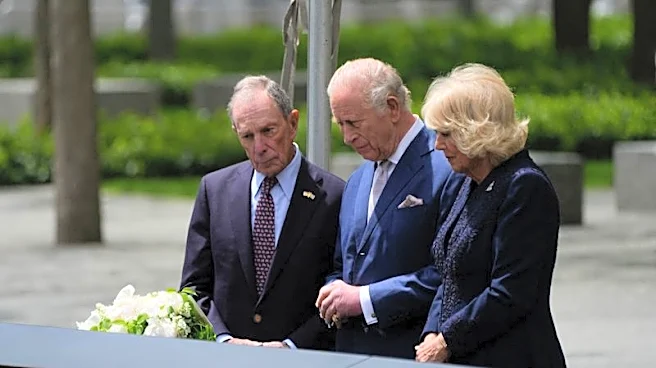
During a wreath-laying ceremony at the 9/11 Memorial & Museum in New York City, Mayor Zohran Mamdani met with King Charles III and Queen Camilla. Prior to this meeting, Mamdani had publicly urged for the return of the Koh-i-Noor diamond, a historically
significant gem taken from the Indian subcontinent during British colonial rule. The diamond, now part of the British Crown Jewels, has been a subject of international debate and a symbol of colonial expropriation. Mamdani's comments reflect a broader call for the repatriation of cultural artifacts taken during colonial times.
Why It's Important?
The Koh-i-Noor diamond is emblematic of the broader issues surrounding colonialism and the repatriation of cultural artifacts. Its return is seen by many as a necessary step in addressing historical injustices and restoring cultural heritage to its rightful owners. The diamond's history is intertwined with the legacy of British imperialism, and its repatriation could serve as a significant gesture of reconciliation. The ongoing debate highlights the complexities of historical ownership and the responsibilities of former colonial powers to rectify past wrongs. The outcome of this issue could influence international relations and set a precedent for similar cases worldwide.
What's Next?
The British government and Buckingham Palace have consistently stated that the Koh-i-Noor was legally acquired, complicating efforts for its return. However, the Indian government has expressed a desire to pursue the diamond's repatriation through diplomatic means. The situation remains delicate, with potential implications for diplomatic relations between the U.K. and countries with claims to the diamond. The response from King Charles and the British government will be closely monitored, as it could impact public perceptions and international diplomatic dynamics.