


What's Happening?
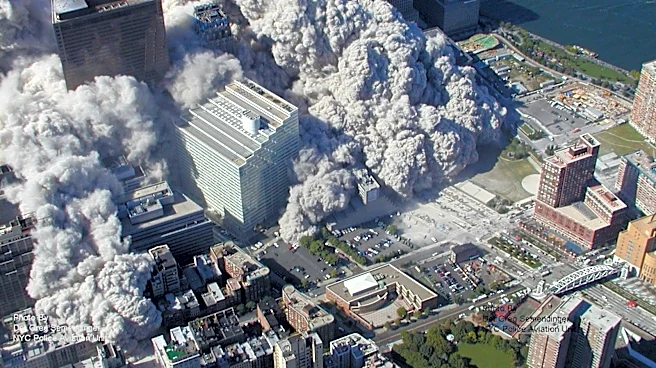
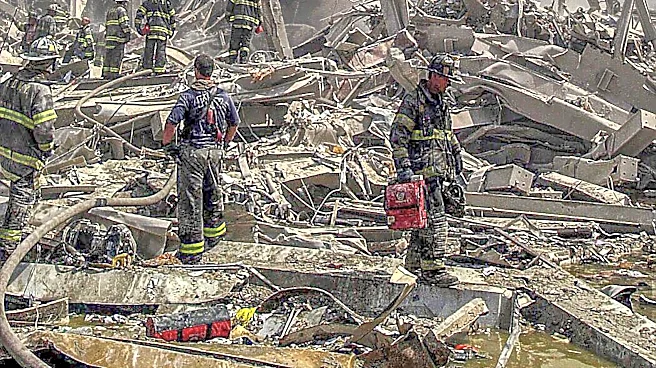
In the aftermath of the September 11, 2001, attacks, Green Country, Oklahoma, demonstrated a strong community response, sending local first responders to assist with rescue and recovery efforts in New York. Among them was Scott Keele, the longtime chaplain
for the Broken Arrow Police and Fire Departments, who deployed to Ground Zero twice in late 2001. Keele meticulously documented his experiences in a journal, excerpts of which are now part of an exhibit at the Museum of Broken Arrow, aiming to preserve the memory of those affected. Separately, the Broken Arrow family of Jim and Sheila Schmidt authored the children's book 'I Cried Too' in 2000, initially to help their own children cope with personal loss. After 9/11, the book gained national recognition, becoming part of the official 9/11 response effort by the City of New York, the Pentagon, and various fire and police departments, providing comfort to thousands of children who lost parents in the attacks.
Why It's Important?
The collective response from Green Country, as exemplified by Chaplain Keele's service and the Schmidt family's book, underscores the profound national unity and compassion that emerged after the 9/11 attacks. Chaplain Keele's journal entries offer a raw and personal account of the devastation and the resilience witnessed at Ground Zero, providing invaluable historical documentation and a testament to the sacrifices made by first responders. The exhibit at the Museum of Broken Arrow ensures that these memories are preserved and shared, educating future generations about the human impact of the tragedy. The 'I Cried Too' book highlights the power of personal experience to offer solace on a national scale, demonstrating how individual acts of healing can evolve into widespread support mechanisms during times of collective trauma. This initiative provided critical emotional support to children, addressing a unique and often overlooked aspect of the 9/11 aftermath. Both efforts reflect how local communities contributed significantly to the broader national recovery and remembrance.
What's Next?
The exhibit featuring Chaplain Scott Keele's journal at the Museum of Broken Arrow will continue to serve as a vital educational and commemorative resource, especially as the nation approaches future anniversaries of 9/11. Efforts to collect and share personal stories from first responders and affected families are likely to continue, ensuring a comprehensive historical record. The 'I Cried Too' book, having already made a significant impact, will likely remain a resource for grief counseling and support, potentially reaching new audiences as its legacy endures. The ongoing engagement with these narratives will help maintain public awareness and remembrance of the 9/11 attacks and their long-term consequences. Communities like Green Country will continue to honor the memory of those lost and the resilience of those who responded, fostering a sense of national unity and historical consciousness.
Beyond the Headlines
The stories from Green Country extend beyond mere historical recounting; they delve into the psychological and communal healing processes that follow national tragedies. Chaplain Keele's act of journaling, initially a personal coping mechanism, transformed into a public testament to the profound emotional and spiritual toll of such events. This highlights the therapeutic power of narrative and the importance of bearing witness. The Schmidt family's 'I Cried Too' illustrates how personal grief, when channeled into a resource for others, can create a ripple effect of comfort and understanding. This speaks to the universal human need for connection and shared experience in times of sorrow. Both initiatives underscore the enduring spirit of American communities to support one another, even across vast distances, in the face of unimaginable adversity. They also emphasize the critical role of local institutions, like museums and community leaders, in preserving collective memory and fostering resilience.