

What's Happening?
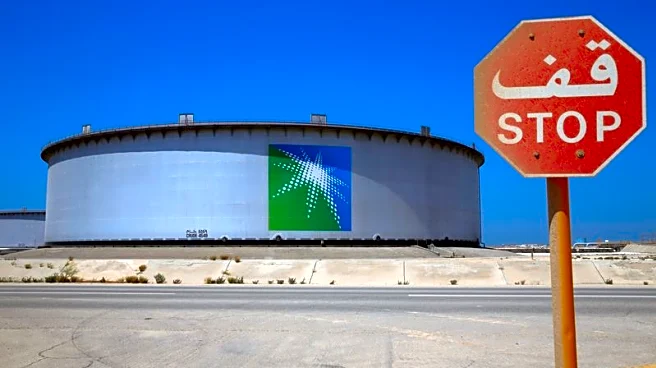
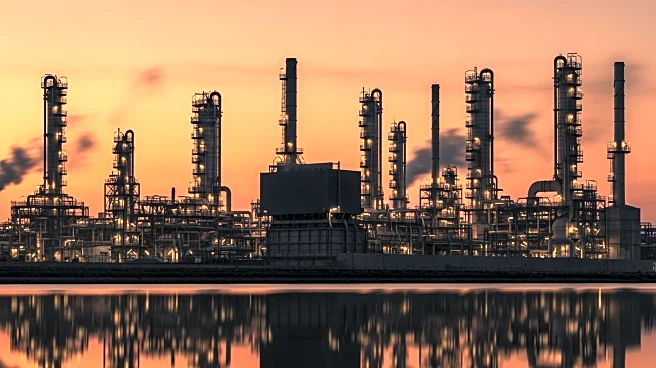
Aramco has halted operations at its largest oil refinery, Ras Tanura, located on the Persian Gulf coast, following a drone strike. The refinery, which processes 550,000 barrels per day, was shut down as a precautionary measure while damage assessments
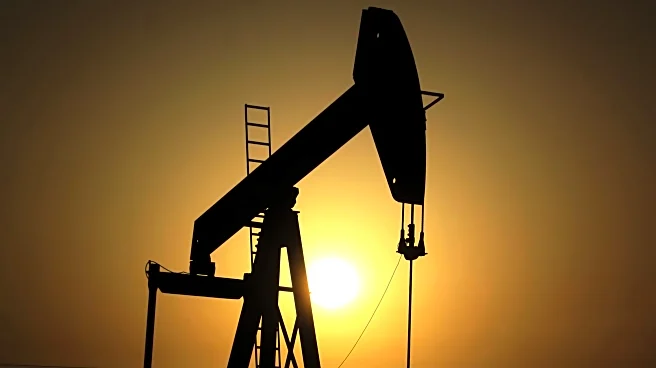
are conducted. The attack, part of escalating hostilities in the Middle East involving the U.S. and Israel against Iran, has led to significant disruptions in energy infrastructure. The closure of the refinery, a key supplier of diesel to Europe, has caused gasoil futures to surge by over 20%, marking the largest intraday gain since March 2022. Crude oil prices have also risen, with London trading near $79 a barrel.
Why It's Important?
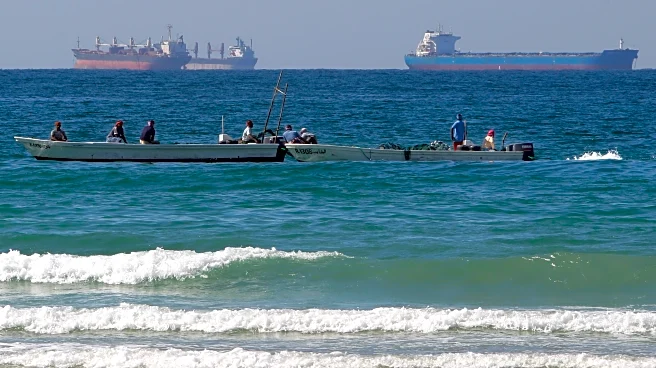
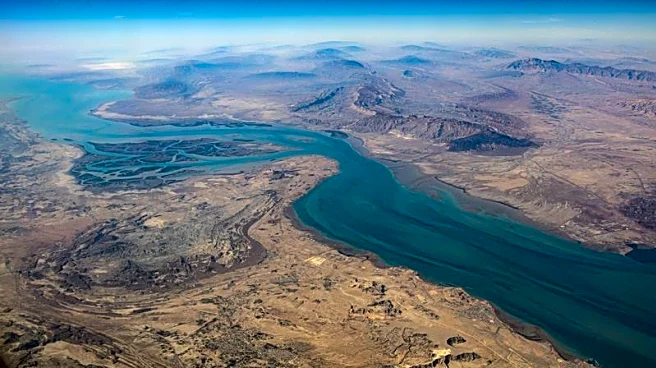
The shutdown of the Ras Tanura refinery underscores the vulnerability of global energy markets to geopolitical tensions. As a major supplier of transport fuels, any disruption at Ras Tanura can have far-reaching implications for global oil supply and prices. The Strait of Hormuz, a critical chokepoint for oil transportation, has seen a halt in maritime traffic, exacerbating supply concerns. This situation threatens to increase costs for transportation, manufacturing, and logistics worldwide, potentially leading to higher fuel prices for consumers. The conflict's impact on energy infrastructure highlights the strategic importance of securing energy supply chains against geopolitical risks.
What's Next?
The immediate focus will be on assessing the damage to the Ras Tanura refinery and determining the timeline for resuming operations. Meanwhile, global markets will closely monitor developments in the Middle East, as further escalations could lead to more significant disruptions in oil supply. Energy companies and governments may need to explore alternative supply routes and increase security measures to mitigate risks. The situation could prompt discussions on diversifying energy sources and enhancing energy security strategies to reduce dependency on vulnerable chokepoints like the Strait of Hormuz.