
What's Happening?
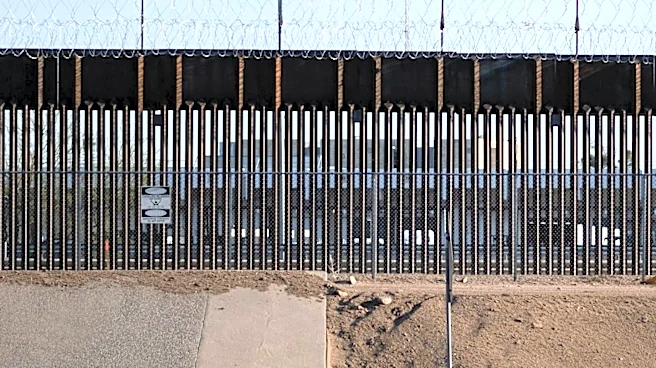
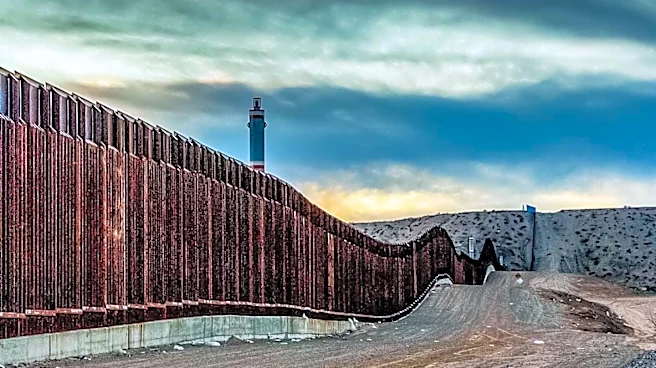
U.S. Customs and Border Protection (CBP) Commissioner Rodney S. Scott has announced a pause in all construction activity related to border security projects within Big Bend National Park. Commissioner Scott stated that he will conduct a personal, on-the-ground
evaluation of the area. This decision comes as CBP aims to balance its commitment to securing U.S. borders with the protection of national treasures like Big Bend National Park. Over the next few days, Commissioner Scott will join a small team to assess the terrain and engage with local leadership, community members, and stakeholders. The goal is to ensure that border security measures are implemented while simultaneously preserving the park for future generations.
Why It's Important?
This pause signifies a critical moment in the ongoing debate over border security infrastructure and environmental conservation. Big Bend National Park is a unique and ecologically sensitive area, and construction activities within its boundaries have raised concerns among environmental groups, local communities, and conservationists. The Commissioner's personal evaluation and engagement with stakeholders indicate a potential shift towards a more nuanced approach to border security in protected areas, acknowledging the need to consider ecological and community impacts alongside national security imperatives. This decision could set a precedent for how future border projects are planned and executed in environmentally sensitive regions across the U.S.
What's Next?
Commissioner Scott's on-site evaluation will involve assessing the terrain and gathering input from local leadership, community members, and other stakeholders. The findings from this evaluation will likely inform future decisions regarding border security projects in Big Bend National Park. Depending on the assessment, CBP may adjust its construction plans, explore alternative security measures, or implement mitigation strategies to minimize environmental impact. The engagement with local communities suggests a move towards a more collaborative approach, which could lead to more sustainable and publicly acceptable solutions for border security in the region. The outcome of this evaluation will be closely watched by environmental advocates and border security proponents alike.
Beyond the Headlines
The decision to pause construction in Big Bend National Park highlights the complex interplay between national security, environmental protection, and local community interests. This situation underscores the broader challenge of implementing large-scale infrastructure projects in areas with significant ecological and cultural value. It also reflects a growing recognition within government agencies of the importance of stakeholder engagement and environmental stewardship. The outcome of this evaluation could influence future policy decisions regarding border infrastructure development, potentially leading to more integrated approaches that prioritize both security and conservation. This case serves as a microcosm of the larger national conversation about how to secure borders responsibly while preserving natural heritage and respecting local communities.