
What's Happening?
The American Meteorological Society's 36th annual State of the Climate report highlights significant increases in greenhouse gas concentrations, global sea levels, and ocean heat content in 2025. The report,
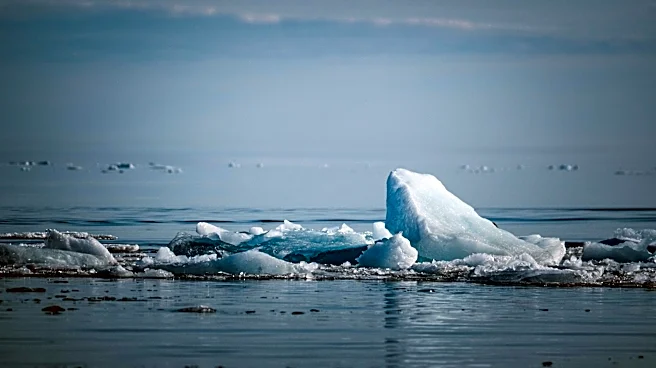
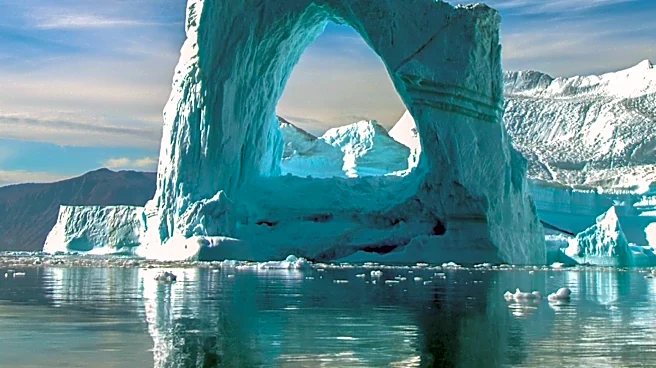
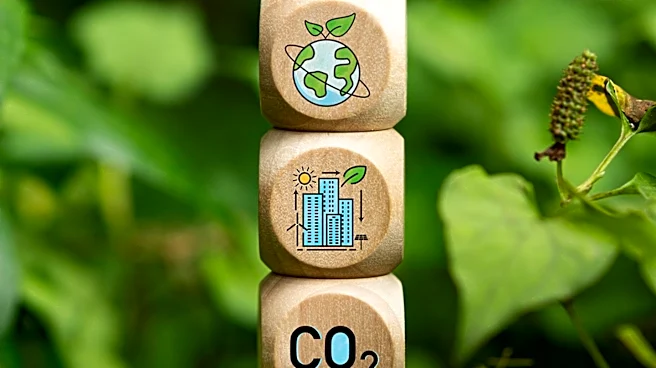
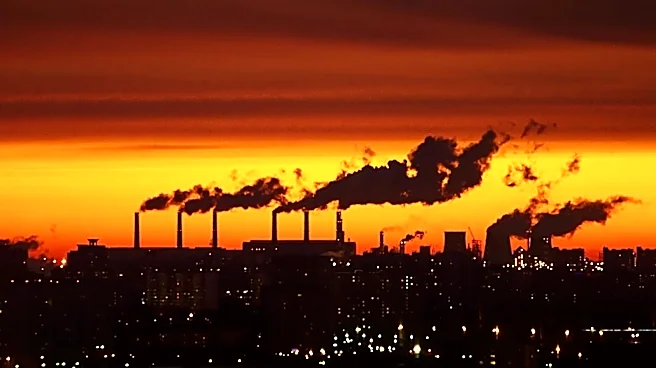
which is a collaborative effort involving 625 scientists from 60 countries, provides a comprehensive update on Earth's climate indicators. It reveals that carbon dioxide, methane, and nitrous oxide levels reached new highs, with CO2 levels at 425.6 parts per million, marking a 53% increase from preindustrial levels. The report also notes that 2025 was among the three warmest years on record, despite the absence of El Niño conditions. The Arctic experienced its second-warmest year, and global sea levels reached a record high for the 14th consecutive year.
Why It's Important?
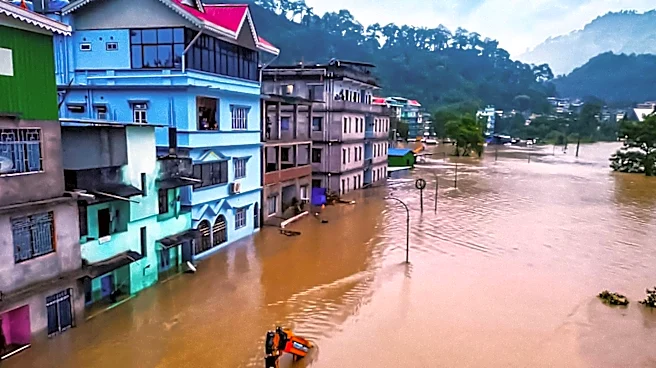
The findings of the report underscore the accelerating pace of climate change and its potential impacts on global ecosystems and human societies. The record levels of greenhouse gases contribute to global warming, which can lead to more extreme weather events, rising sea levels, and disruptions to agriculture and water supplies. The data serves as a critical resource for policymakers, businesses, and communities to inform long-term planning and mitigation strategies. The report's insights into ocean heat content and sea level rise highlight the urgent need for international cooperation to address climate change and its effects on vulnerable regions.
What's Next?
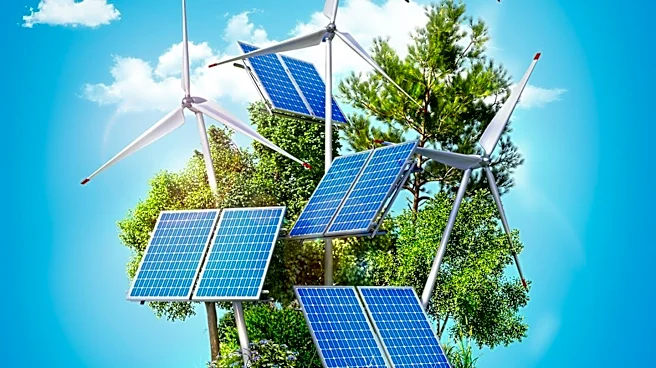
The report's findings are likely to influence future climate policies and international agreements aimed at reducing greenhouse gas emissions. Governments and organizations may increase investments in renewable energy and sustainable practices to mitigate the impacts of climate change. The data could also prompt further research into climate adaptation strategies, particularly for regions most affected by rising temperatures and sea levels. As the global community continues to grapple with climate change, the report serves as a call to action for more aggressive measures to curb emissions and protect ecosystems.