







What's Happening?
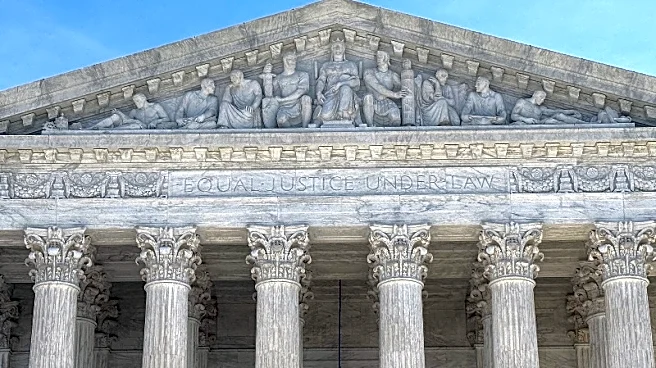
The U.S. Supreme Court is scrutinizing the Federal Communications Commission's (FCC) procedure for imposing fines, as challenged by AT&T and Verizon. The telecom giants argue that the FCC's $104 million fines for selling user location data without consent
violate their Seventh Amendment right to a jury trial. During oral arguments, justices noted that the companies could have opted for a jury trial by not paying the fines and awaiting government enforcement action. The case highlights a broader issue, as the FCC and justices appear to agree that FCC fines are nonbinding until a court enforces them, potentially altering future regulatory practices.
Why It's Important?
This case could redefine the FCC's authority and the enforcement of its fines, impacting how regulatory agencies impose penalties. A decision favoring AT&T and Verizon might encourage other companies to challenge regulatory fines, potentially leading to more litigation and altering the balance of power between federal agencies and the industries they regulate. The outcome could also influence how agencies draft and enforce penalties, affecting compliance strategies across various sectors. The case underscores the ongoing tension between regulatory oversight and corporate rights, with significant implications for future regulatory frameworks.