










What's Happening?
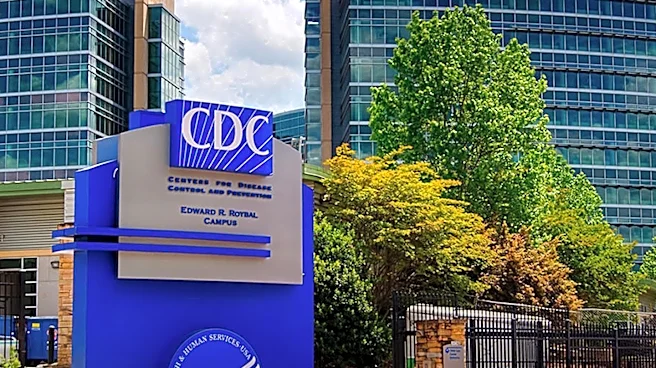
A significant outbreak of cyclosporiasis, an intestinal infection caused by the Cyclospora cayetanensis parasite, is spreading across the United States, with Michigan reporting over 1,500 cases. The Centers for Disease Control and Prevention (CDC) has
documented hundreds of cases in 31 states, though the actual number may be higher due to unreported cases. The infection, which is not transmitted person-to-person, spreads through contaminated food or water. Symptoms include watery diarrhea, loss of appetite, and fatigue, and can last from a few days to over a month if untreated. The outbreak is primarily linked to imported fresh produce, such as raspberries and cilantro.
Why It's Important?
The outbreak underscores the vulnerabilities in the U.S. food supply chain, particularly concerning imported produce. It highlights the need for stringent food safety measures and monitoring to prevent such infections. The health implications are significant, as cyclosporiasis can lead to severe dehydration and other complications, especially in vulnerable populations. Economically, the outbreak could impact the agricultural sector, particularly importers and distributors of fresh produce, as well as healthcare systems managing increased patient loads. Public health officials are emphasizing the importance of proper food handling and hygiene practices to mitigate the spread.
What's Next?
Public health agencies are likely to intensify efforts to trace the source of contamination and implement measures to prevent further spread. This may involve increased inspections and testing of imported produce. Consumers are advised to thoroughly wash fruits and vegetables and practice good hygiene. The CDC and state health departments will continue to monitor the situation and provide updates. The outbreak may prompt discussions on improving food safety regulations and the need for better international cooperation in monitoring and controlling foodborne illnesses.