




What's Happening?
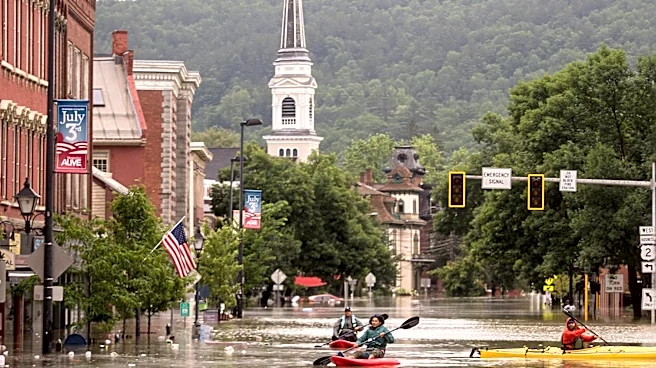
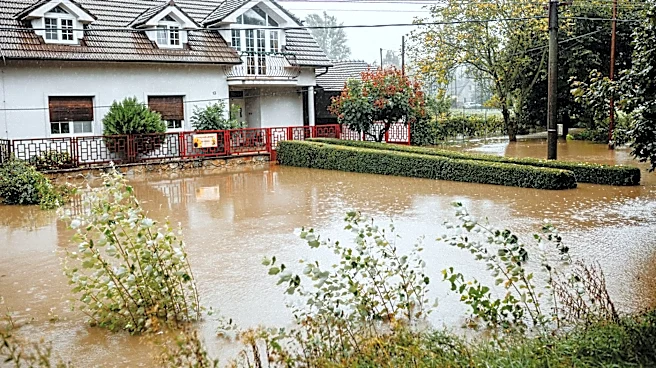
The University of Tennessee Institute of Agriculture (UTIA) has recognized 20 members of its Flood Recovery Team with the William T. Miles M.D. Memorial Award for Community Service. This award honors their significant contributions in aiding East Tennessee communities
affected by the flooding from Hurricane Helene in late 2024. The team, comprising faculty, staff, and graduate students from various departments, has been instrumental in managing the immediate response and long-term recovery efforts. Their work includes staging supplies, managing debris, and conducting soil analyses to help landowners develop new land management plans. The award ceremony was part of UTIA's annual awards luncheon, celebrating the institute's commitment to providing real-life solutions through teaching, research, and outreach.
Why It's Important?
The recognition of the UT Flood Recovery Team underscores the critical role that academic institutions play in community resilience and disaster recovery. By leveraging their expertise in agriculture, engineering, and environmental sciences, the team has provided essential support to affected communities, helping them rebuild and adapt to future challenges. This award highlights the importance of interdisciplinary collaboration in addressing complex issues like climate change and natural disasters. It also reinforces the value of land-grant institutions in serving the public good and contributing to societal well-being.
What's Next?
The ongoing efforts of the UT Flood Recovery Team will continue to focus on long-term recovery and resilience-building in the affected areas. Their work may serve as a model for other institutions and communities facing similar challenges. Additionally, the insights gained from their research and fieldwork could inform future policies and practices in disaster management and environmental sustainability. The recognition may also encourage further collaboration and funding opportunities to support these vital initiatives.
Beyond the Headlines
This event highlights the broader implications of climate change and the increasing frequency of extreme weather events. It raises questions about the preparedness of communities and the role of academic institutions in providing solutions. The award also reflects the growing recognition of the need for sustainable land management practices and the importance of integrating scientific research with community engagement to address environmental challenges.