





What's Happening?
The U.S. government has announced new sanctions against three individuals and nine companies for aiding Iran's shipment of oil to China. These sanctions, issued by the Treasury Department's Office of Foreign Assets Control, target entities that helped
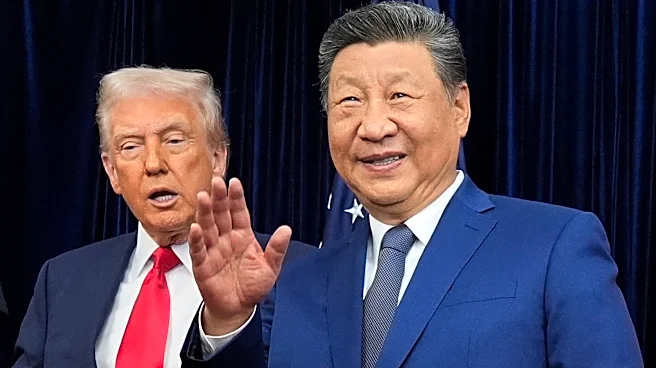
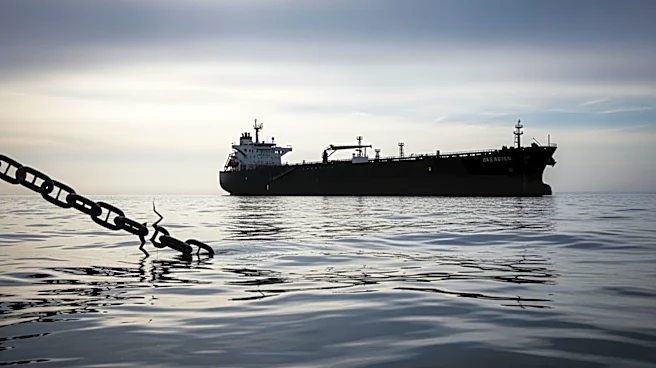
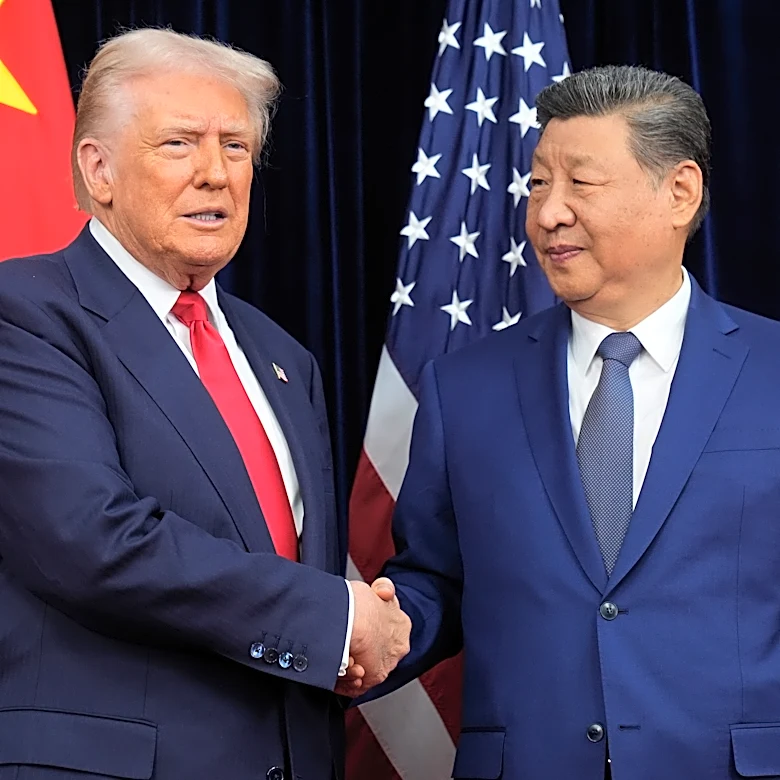
the IRGC sell and transport oil through front companies. The companies are located in Hong Kong, the UAE, and Oman. This action follows previous sanctions on entities involved in Iran's weapons procurement. The sanctions come just days before a planned meeting between President Donald Trump and Chinese President Xi Jinping, where the U.S. is expected to address the ongoing standoff with Iran and the strategic importance of the Strait of Hormuz. Treasury Secretary Scott Bessent stated that the administration will continue to use sanctions to deprive Iran of funding for its military and nuclear programs.
Why It's Important?
The sanctions are part of a broader U.S. strategy to exert economic pressure on Iran, aiming to curb its military and nuclear capabilities. By targeting the financial networks of the IRGC, the U.S. seeks to limit Iran's ability to fund activities that are considered destabilizing. The involvement of international companies highlights the complexity of enforcing sanctions and the global reach of Iran's oil trade. The timing of the sanctions, ahead of a high-level meeting between the U.S. and China, suggests a strategic move to gain diplomatic leverage. The sanctions also reflect ongoing tensions in U.S.-China relations, particularly regarding Iran's role in regional security.
What's Next?
The U.S. is expected to continue its sanctions strategy, with the State Department offering a $15 million reward for information disrupting the IRGC's financial operations. This indicates a sustained effort to dismantle Iran's economic networks. The upcoming meeting between President Trump and President Xi could lead to further diplomatic initiatives or agreements to address the situation in the Strait of Hormuz. The international community will be monitoring the impact of these sanctions on global oil markets and regional stability, as well as any potential shifts in U.S.-China relations.