




What's Happening?
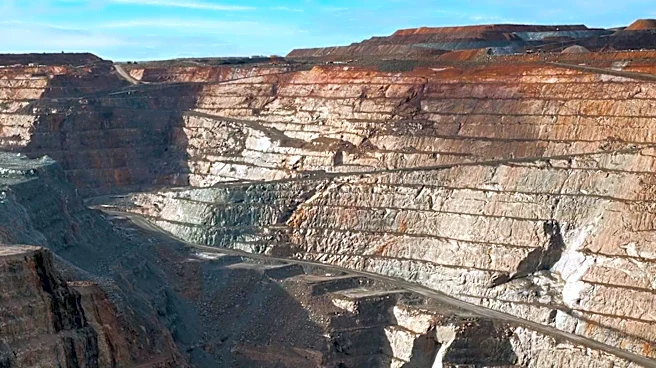
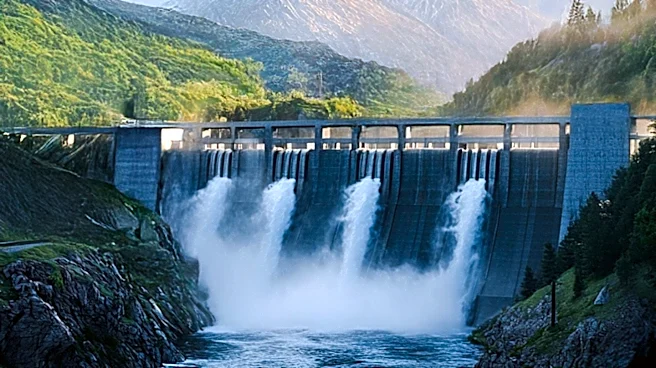
A new analysis by federal regulators indicates that a major dam failure at the proposed Donlin Gold mine in rural Western Alaska could lead to catastrophic flooding, rendering one village uninhabitable, contaminating drinking water, and causing lasting
damage to fish habitats. This hypothetical disaster is detailed in a draft supplemental environmental impact statement (SEIS) prepared by the U.S. Army Corps of Engineers for the Donlin Gold mine. The SEIS, mandated by a 2024 court order, evaluates potential outcomes from dam breaches releasing 5.4%, 13.3%, and 27% of the total tailings volume. The previous 2018 study by the Corps had understated the risks, analyzing only a 0.5% release. Mine opponents, including the Mother Kuskokwim Tribal Coalition, argue that even the 27% scenario is insufficient and that a full spill analysis is necessary.
Why It's Important?
This study is critically important as it highlights severe environmental and human safety risks associated with large-scale mining projects, particularly in ecologically sensitive regions like Western Alaska. The potential for a dam failure to devastate a village and impact vital fish habitats, especially salmon, directly threatens the traditional livelihoods and cultural heritage of Alaska Native communities. The findings challenge the adequacy of previous environmental assessments and underscore the need for rigorous oversight and comprehensive risk analysis in resource development. The debate between economic benefits, championed by Donlin Gold and some Native corporations, and environmental protection, advocated by tribal coalitions, reflects a broader national tension over balancing industrial growth with ecological and social responsibility. The outcome of this review could set precedents for environmental impact assessments for future projects across the U.S.
What's Next?
The U.S. Army Corps of Engineers is accepting public comments on the draft supplemental environmental impact statement until October 23. Donlin Gold and Calista Corp., a regional Native corporation partnered with the mine, have stated they are evaluating the document and will submit comments. Mine opponents, including the Mother Kuskokwim Tribal Coalition, are expected to continue advocating for a more comprehensive analysis, including a full spill scenario. The Corps will consider all submitted comments before finalizing the SEIS. The ultimate decision on the mine's development will depend on the findings of this updated environmental review and potential legal challenges, which could significantly delay or alter the project's scope and implementation.
Beyond the Headlines
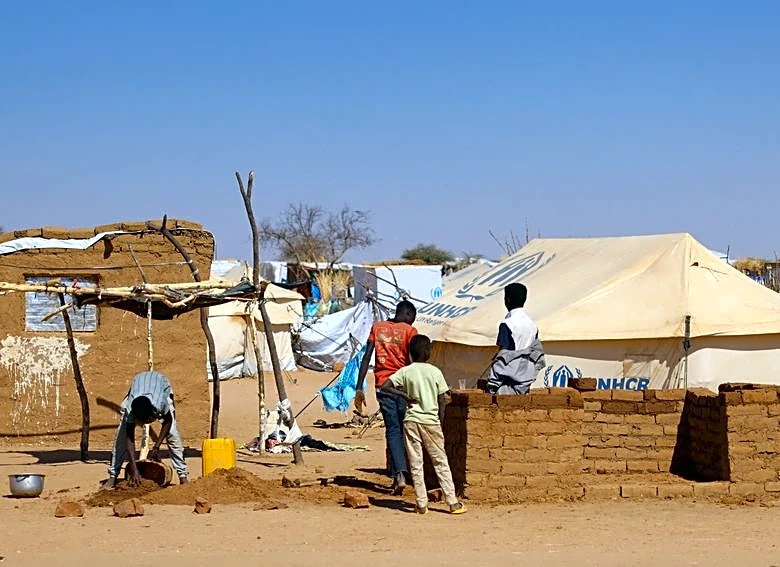
The Donlin Gold mine project, and the controversy surrounding its potential environmental impacts, delves into profound ethical and cultural dimensions. The reliance of Yup’ik tribal members on salmon and other natural resources for their traditional lifestyles places them in direct conflict with a project promising economic development. This situation highlights the ongoing struggle for Indigenous communities to protect their ancestral lands and ways of life against industrial pressures. The debate also touches upon the long-term responsibility for managing mining waste, as tailings dams require perpetual maintenance, raising questions about intergenerational equity and environmental justice. The case could influence how federal agencies assess and permit large-scale industrial projects, particularly those impacting vulnerable ecosystems and communities, potentially leading to stricter environmental regulations and greater consideration of Indigenous rights.