







What's Happening?
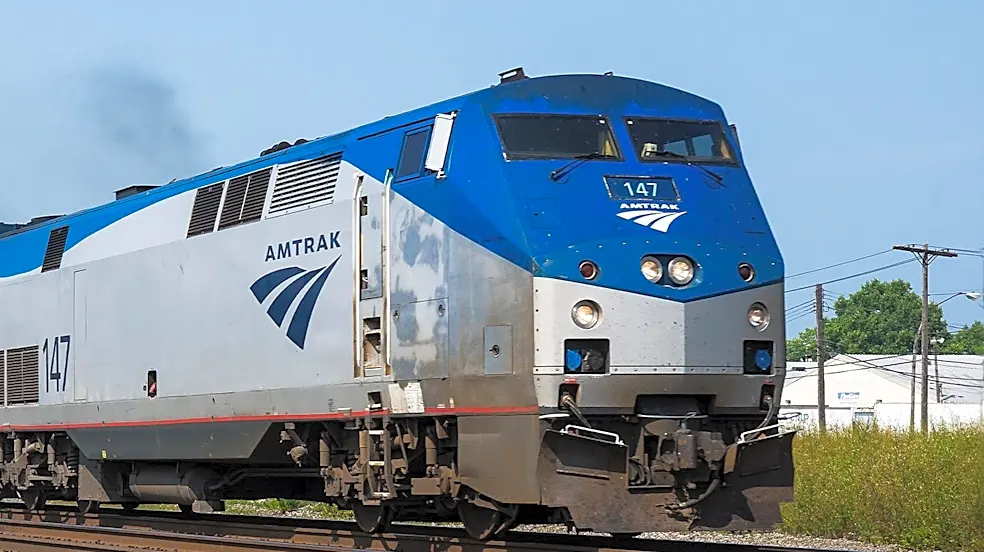
Amtrak operates two primary rail services, Acela and Northeast Regional, connecting major cities along the Northeast Corridor, including Washington D.C., Baltimore, Philadelphia, New York, and Boston. The Acela is Amtrak's premium high-speed service,
capable of reaching speeds up to 150 mph on certain sections, though average speeds are influenced by track conditions and station stops. It offers enhanced amenities such as more spacious seating, quieter cars, and improved food service. The Northeast Regional provides a more economical option, operating at lower maximum speeds (around 125 mph or less) and making more stops, including intermediate stations like Newark, Trenton, and New Brunswick. Travel times vary significantly, with Acela trips from D.C. to Boston taking approximately 3 hours 30 minutes to 3 hours 45 minutes, while Northeast Regional journeys typically range from 6 hours 30 minutes to over 7 hours. Both services offer Wi-Fi and power outlets, though consistency may vary. Major stations along the route, such as Washington Union Station and Boston South Station, provide extensive connections to local transit.
Why It's Important?
The Amtrak Acela and Northeast Regional services are crucial for connecting major economic, political, and academic centers in the U.S. Northeast Corridor. These rail options offer a competitive alternative to driving or flying, particularly on congested routes, impacting business travelers, students, and tourists. The availability of both premium (Acela) and budget-friendly (Northeast Regional) options caters to diverse passenger needs, influencing travel decisions and regional mobility. The efficiency and reliability of these services can affect productivity for business travelers and accessibility for students and tourists. Furthermore, train travel on this corridor contributes to reducing traffic congestion and lowering personal carbon emissions compared to other modes of transport, aligning with broader environmental goals. The extensive network of major stations with transit connections facilitates seamless travel and supports urban development in these key U.S. cities.
What's Next?
Passengers planning future travel on the Amtrak DC to Boston route should consider several factors. Booking tickets in advance is generally recommended to secure lower prices, especially for Acela and Business Class seats, as fares tend to rise closer to the departure date and during peak periods. Travelers have various fare options, including non-refundable Saver fares, flexible Value fares, and premium Flexible fares with additional perks. Monitoring Amtrak's website or app for real-time updates, track changes, and alerts is advisable, as schedules can be affected by maintenance or weather, particularly during winter months. In the event of significant delays or cancellations, Amtrak may offer rebooking or accommodations. Continued investment in infrastructure and service enhancements could further improve speed, reliability, and passenger experience on these vital Northeast Corridor routes.
Beyond the Headlines
The operation of Amtrak's Acela and Northeast Regional services highlights the ongoing importance of rail infrastructure in the U.S., particularly in densely populated corridors. Beyond mere transportation, these services represent a commitment to sustainable travel options and regional connectivity. The choice between Acela's premium experience and the Northeast Regional's affordability reflects broader societal trends in consumer preferences and economic accessibility. The environmental benefits of rail travel, such as reduced carbon emissions compared to driving or flying, contribute to national sustainability efforts. The integration of these rail services with local transit networks in major cities underscores the need for comprehensive urban planning and multimodal transportation solutions. The continuous demand for these services also points to the potential for further development and expansion of high-speed rail in other U.S. regions, addressing issues of congestion and environmental impact.