







What's Happening?
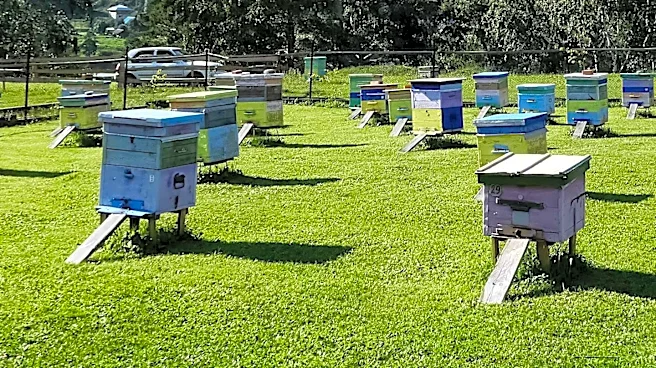
The Santa Barbara County Board of Supervisors has taken the initial step towards reducing stringent restrictions on backyard beekeeping in unincorporated areas. Supervisor Joan Hartmann sponsored the item, noting that current regulations, which require
hives to be 300 feet from property lines (except for crop pollination) and 600 feet from another person’s residence (unless permission is granted by the occupant), effectively exclude most homes and small farms from engaging in beekeeping. These standards also fail to differentiate between a few backyard hives and larger commercial operations. The goal is to establish a practical pathway for responsible beekeeping that considers neighborhood compatibility, public safety, and the protection of native pollinators. The new regulations will specifically address native bees and concerns such as flight paths, swarms, and fire safety. This initiative was prompted by public input, particularly from a constituent of Supervisor Hartmann in the Santa Ynez Valley. Staff, led by the Agricultural Commissioner, have been directed to present proposed ordinance amendments, an environmental review, and details on implementation and costs within six months.
Why It's Important?
This move by Santa Barbara County is significant for local beekeepers and environmental advocates, as it aims to foster a more bee-friendly environment and support local ecosystems. Relaxing these restrictions could lead to an increase in local honey production and, more importantly, enhance the pollination of local flora, including agricultural crops. For residents, it offers an opportunity to participate in a hobby that contributes to environmental health. The current regulations have been a barrier for many, limiting the potential for small-scale beekeeping and its associated benefits. By creating more accessible standards, the county could see a boost in pollinator populations, which are crucial for biodiversity and food security. This initiative also reflects a growing public interest in sustainable practices and local food systems, potentially influencing other counties to re-evaluate similar restrictions.
What's Next?
The Santa Barbara County Agricultural Commissioner's office and staff are tasked with developing proposed ordinance amendments, conducting an environmental review, and outlining implementation and cost considerations. This report is expected within the next six months. Following the presentation of these proposals, the Board of Supervisors will review and potentially adopt the revised regulations. Public engagement will likely continue throughout this process, as beekeepers and community members will have opportunities to provide feedback on the proposed changes. The outcome could set a precedent for how other California counties approach urban and suburban beekeeping, balancing public safety concerns with environmental benefits and individual freedoms.
Beyond the Headlines
Beyond the immediate impact on beekeeping, this decision highlights a broader shift in local governance towards accommodating sustainable and environmentally conscious practices within residential areas. It underscores the importance of citizen advocacy in shaping local policy, as the initiative stemmed directly from public complaints and suggestions. The debate over beekeeping regulations often touches upon property rights, public health (allergies, stings), and ecological responsibility. By seeking a balance, Santa Barbara County is navigating these complex issues, potentially fostering a more harmonious relationship between human communities and the natural world. This could also encourage a greater understanding and appreciation for pollinators, leading to more widespread adoption of eco-friendly gardening and land management practices.