







What's Happening?
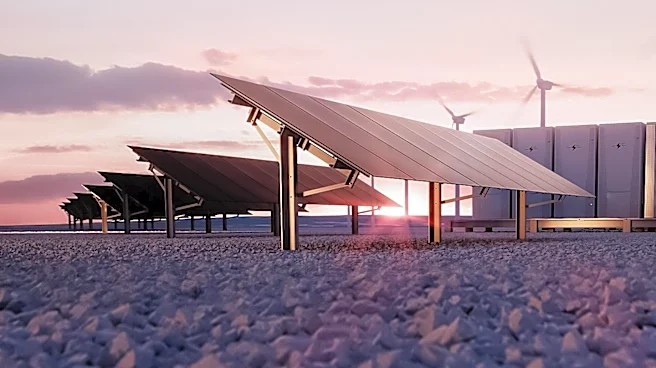
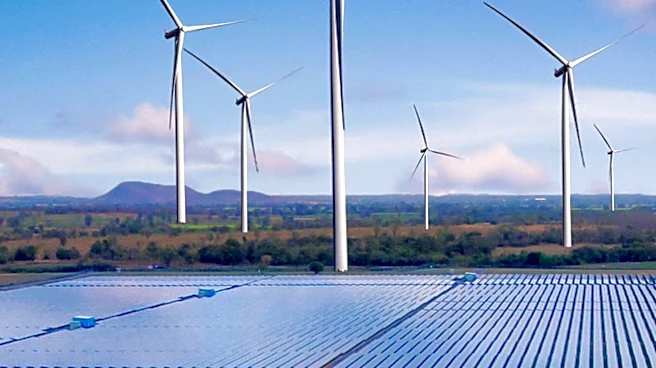
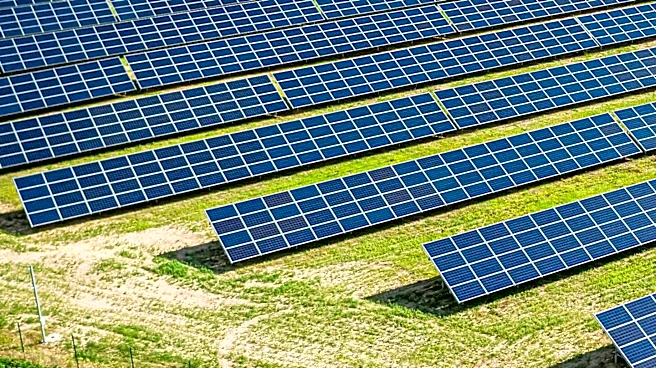
The city of Watertown is evaluating a proposal to transform 40 of the 78 vacant acres of its old landfill into a solar farm. Willdan Performance Engineering, a renewable energy company, presented various plans to the city council, outlining solar farms
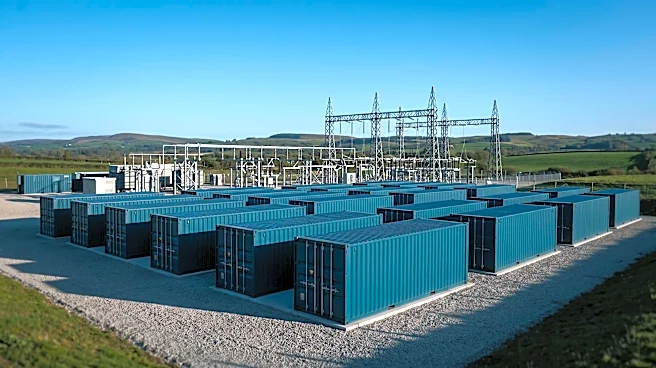
with different energy outputs. A similar proposal in 2020 did not materialize, making this the second attempt to repurpose the site for renewable energy. Greg Royer, representing Willdan, discussed the potential financial outcomes, noting that the largest and most financially risky option could generate over 14,000 megawatts annually. This option presents a wide range of financial projections, from a potential annual loss of $151,000 to an annual gain of up to $450,000, depending on the city's appetite for risk. Council member Ben Shoen expressed optimism, viewing the vacant landfill as a liability, while Council member Shane Garrabrant voiced skepticism regarding battery storage, citing a 2023 solar farm fire in the Town of Lyme. Royer assured the council that technology in this sector is continuously improving. The council has requested more detailed numbers before making a final decision.
Why It's Important?
This proposal represents a significant opportunity for Watertown to embrace renewable energy and repurpose underutilized land. Transforming a former landfill into a solar farm aligns with environmental sustainability goals, reducing the city's carbon footprint and potentially generating clean energy. Economically, a successful solar farm could provide a new revenue stream for the city, offsetting operational costs or funding other municipal projects. However, the financial risks and technological concerns, particularly regarding battery storage, highlight the complexities involved in such large-scale renewable energy projects. The council's cautious approach, requesting more data, is crucial for ensuring fiscal responsibility and public safety. This decision could serve as a model for other municipalities looking to convert brownfield sites into productive assets, balancing environmental benefits with economic viability and technological advancements.
What's Next?
The Watertown City Council will await the additional financial and technical data requested from Willdan Performance Engineering before proceeding with a final decision. This period will likely involve further analysis of the proposed plans, including a more detailed assessment of the financial risks and potential returns, as well as a thorough review of safety protocols for battery storage and other technological components. Public hearings or community engagement sessions might also be held to gather feedback from residents and address any concerns. The council's decision will hinge on their evaluation of the project's economic feasibility, environmental benefits, and the mitigation of potential risks. If approved, the project would move into the planning and development phases, which would include securing necessary permits and contracts. If rejected, the city may explore alternative uses for the vacant landfill or consider revised proposals for a solar farm.
Beyond the Headlines
The debate over the solar farm proposal in Watertown reflects a broader national conversation about renewable energy adoption, land use, and the balance between environmental goals and economic realities. Repurposing a landfill for solar energy is an innovative solution to land scarcity and environmental remediation, turning a former liability into a sustainable asset. However, the concerns raised by council members about battery storage technology underscore the evolving challenges and public perceptions associated with new energy infrastructure. The incident in the Town of Lyme highlights the importance of robust safety standards and continuous technological advancements in the renewable energy sector. This case also illustrates the critical role of local governance in driving energy transitions, as city councils are often at the forefront of making decisions that impact local economies, environments, and communities for decades to come. The outcome in Watertown could influence how other cities approach similar projects, contributing to the national dialogue on sustainable development.