




What's Happening?
The United Nations Children's Fund (UNICEF) has issued a call for safe, predictable, and sustained humanitarian access to communities in South Sudan affected by conflict. In a statement released in Juba, UNICEF reported that it and its partners have successfully
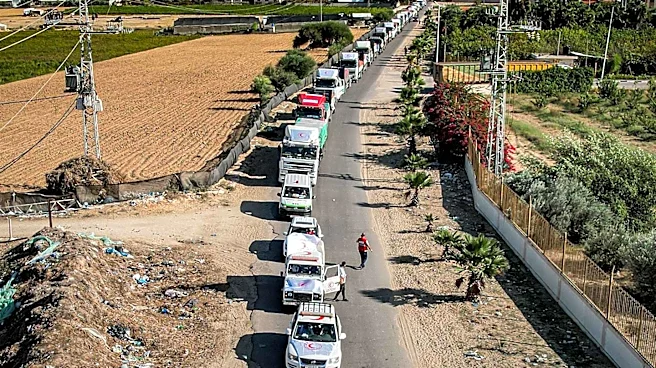
restored life-saving aid to previously isolated communities in Wiechjol and Waat, located in Jonglei State. This joint operation provided crucial support to vulnerable families who had been cut off from humanitarian assistance for several months. Noala Skinner, UNICEF representative to South Sudan, highlighted that while aid has been delivered, the conditions underscore the significant need for more assistance and the rapid deterioration that can occur if access remains restricted. Since January, escalating conflict, widespread displacement, and unsafe travel routes have severely disrupted services across the region, leading to the closure of health facilities and leaving families without reliable access to healthcare, clean water, protection, and nutrition support. Through its Rapid Response Mechanism (RRM), UNICEF delivered over eight tonnes of essential supplies to these communities.
Why It's Important?
The call for sustained humanitarian access in South Sudan is critical due to the severe impact of ongoing conflict on the well-being of children and families. The disruption of essential services, including healthcare, clean water, and nutrition, creates a humanitarian crisis that can have long-lasting consequences. Without consistent access, vulnerable populations face increased risks of malnutrition, disease, and lack of protection. The ability of organizations like UNICEF to deliver aid is paramount to preventing further deterioration of conditions and saving lives. The situation in Jonglei State, where access challenges have left mothers and children particularly vulnerable, underscores the urgent need for international attention and cooperation to ensure that humanitarian efforts can reach those most in need. The continued unrest and its effects on infrastructure and safety directly impede the delivery of critical supplies and services, making sustained access a fundamental requirement for any effective humanitarian response.
What's Next?
UNICEF is urging for an end to grave violations against children, specifically highlighting their recruitment and use by armed forces and groups. The organization is also advocating for increased investment in protection services for women and children to prevent gender-based violence, child abductions, and other protection risks. Furthermore, UNICEF calls for continued support for emergency response initiatives, such as the Rapid Response Mechanism (RRM), to prevent disruptions in the supply chain of life-saving items, including therapeutic food, medicines, and clean water. The UN agency emphasizes the necessity of sustained partnerships and flexible humanitarian financing to address the ongoing challenges. The future will likely involve continued advocacy from UNICEF and other humanitarian organizations for unimpeded access and increased funding to address the multifaceted crisis in South Sudan, while also working to strengthen local capacities and resilience.
Beyond the Headlines
The situation in South Sudan reflects a broader global challenge where conflict and instability disproportionately affect the most vulnerable populations, particularly children. Beyond the immediate humanitarian aid, the long-term implications include a generation of children potentially growing up without adequate education, healthcare, or protection, which can perpetuate cycles of poverty and instability. The recruitment of children into armed groups represents a profound ethical and legal violation, undermining international conventions on child rights. The call for increased investment in protection services highlights the need for comprehensive strategies that address not only physical needs but also the psychological and social well-being of those impacted by conflict. The emphasis on sustained partnerships and flexible financing points to the systemic issues in humanitarian funding, where short-term responses often overshadow the need for predictable, long-term support to build resilience and foster sustainable development in fragile contexts.