




What's Happening?
Gold and silver prices have declined following heightened tensions in the Middle East, particularly after President Trump accused Iran of shooting down an American military helicopter off the coast of Oman. This incident has raised fears of renewed conflict
between the U.S. and Iran, which could disrupt global oil supplies and exacerbate inflation. The potential for increased military engagement has led to speculation that central banks might maintain or even raise interest rates to counteract inflationary pressures. As a result, gold, which is sensitive to interest rate changes, has seen a significant drop in value, falling below its 200-day moving average, a key indicator for investors.
Why It's Important?
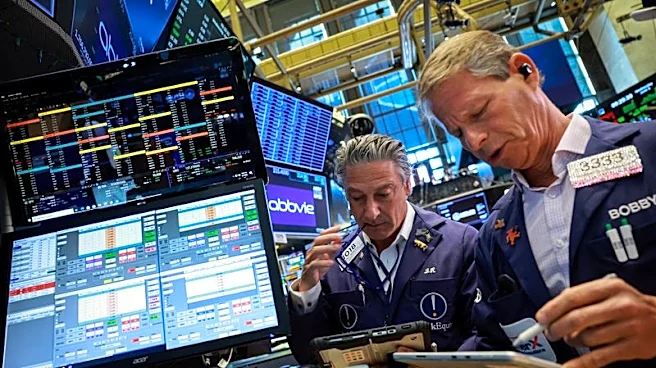
The incident underscores the fragile nature of geopolitical relations in the Middle East and its direct impact on global markets. The potential for conflict could lead to further disruptions in oil supply, driving up prices and contributing to global inflation. This situation places additional pressure on central banks, which may need to adjust monetary policies to stabilize economies. For investors, the volatility in precious metals like gold and silver highlights the challenges of navigating markets influenced by geopolitical tensions. The broader economic implications could affect sectors reliant on stable energy prices and interest rates, influencing everything from consumer goods to industrial production.
What's Next?
The international community will be closely monitoring the U.S. response to the incident, as any escalation could have significant economic and political repercussions. Central banks, particularly the Federal Reserve, may need to reassess their interest rate strategies in light of potential inflationary pressures. Investors will likely remain cautious, adjusting portfolios to hedge against further market volatility. Diplomatic efforts may intensify to prevent further escalation, with potential impacts on international relations and trade agreements.