
What's Happening?
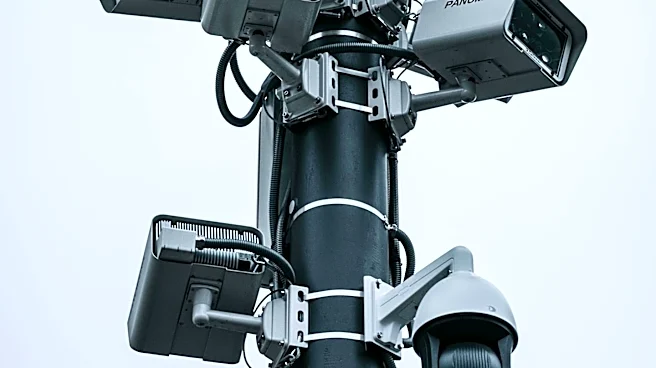
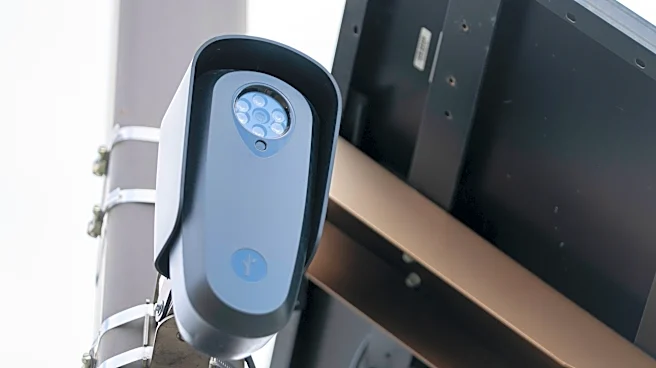
The Lowell City Council has voted 6-5 to indefinitely suspend the use of Flock automated license plate reader cameras. This decision comes after a lengthy discussion among councilors regarding privacy
concerns, potential data misuse, and instances of police misconduct involving the system. While some council members acknowledged the technology's value as an investigative tool for law enforcement, the prevailing sentiment leaned towards safeguarding civil liberties. The suspension will allow the city to review the technology's implementation and data-auditing processes. This move by Lowell follows a trend in Massachusetts, where over 20 communities have either terminated or suspended their contracts with Flock Safety due to similar concerns. Residents also voiced their apprehension, citing lawsuits in other states where these cameras allegedly led to violations of rights and illegal searches.
Why It's Important?
The suspension of Flock cameras in Lowell highlights a growing national debate surrounding surveillance technology and its impact on individual privacy and civil liberties. This decision reflects a critical re-evaluation by local governments of the balance between public safety and the potential for overreach and misuse of data. For residents, it signifies a victory for privacy advocates and a step towards greater accountability in law enforcement's use of advanced tools. For technology providers like Flock Safety, it underscores the necessity of robust data protection measures and transparent operational policies to maintain public trust and secure contracts with municipalities. The broader implications extend to the future of smart city initiatives and the adoption of surveillance technologies across the U.S., as communities increasingly demand stricter oversight and clearer guidelines to prevent potential abuses.
What's Next?
Following the suspension, the Lowell City Council will undertake a comprehensive review of the Flock camera technology, its usage protocols, and data-auditing processes. This review is expected to address the concerns raised by councilors and residents regarding privacy and potential misuse. The Lowell Police Department has already released a 'Transparency Portal' to provide information on how officers utilize the technology, which may be a part of this ongoing review. Methuen, another Massachusetts community, has also ended its use of Flock cameras and plans to pursue an alternative system that meets its standards for privacy, constitutional protections, and local data control. This suggests that Lowell might also explore alternative surveillance solutions that offer greater local control and stronger privacy safeguards, potentially influencing other municipalities grappling with similar issues.
Beyond the Headlines
The debate over automated license plate readers like Flock cameras delves into fundamental questions about the nature of public space and the extent of government surveillance in a democratic society. Beyond the immediate concerns of privacy and data misuse, there are deeper ethical considerations about the creation of a pervasive surveillance infrastructure. The ability to track vehicle movements across a city raises questions about the right to anonymity and freedom of movement. The 'Transparency Portal' launched by the Lowell Police Department, while a step towards accountability, also highlights the ongoing challenge of ensuring that such systems are used exclusively for their intended purpose and not expanded for broader, less justifiable surveillance. This ongoing tension between security and liberty will likely continue to shape policy decisions regarding surveillance technologies at local and national levels.