




What's Happening?
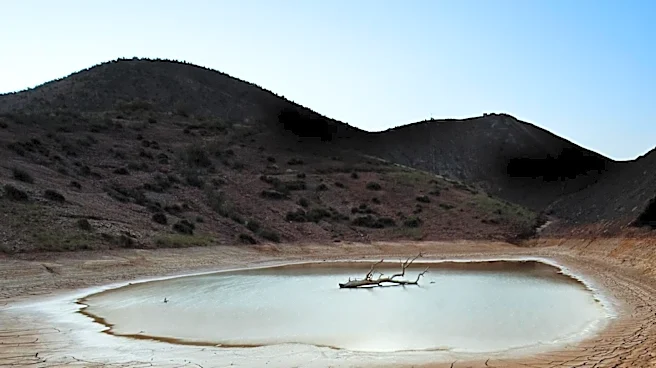
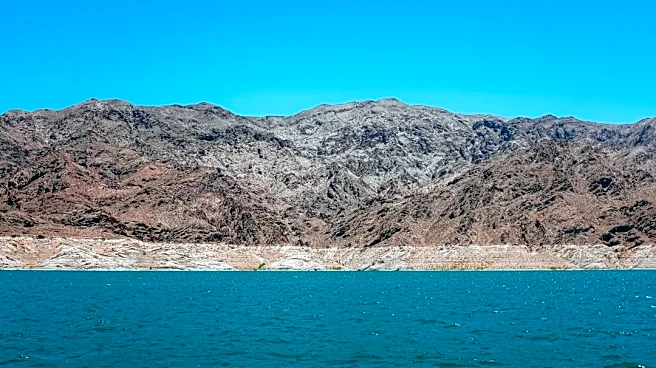
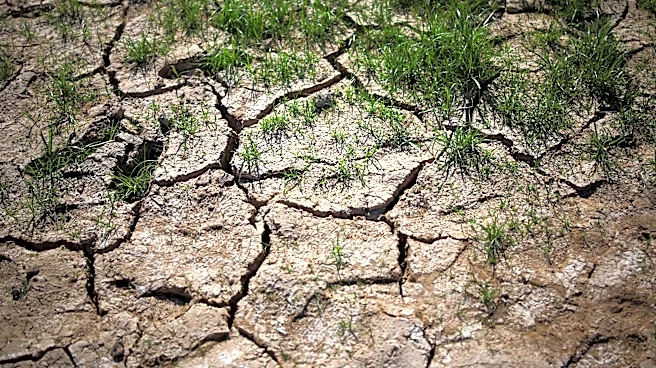
Opposition Spokesperson on Rural and Community Development, Dr Kenneth Russell, is calling on the Jamaican Government to declare the ongoing drought a national emergency. He emphasizes the severe impact on rural communities, where farmers are experiencing
crop failure, livestock suffering, and livelihoods disappearing. Dr Russell highlights the struggle of families to access basic water needs and warns that the economic and human damage from drought is as devastating as more visible disasters. He notes that the crisis exacerbates existing poverty and food insecurity in rural Jamaica, citing UN estimates that over half of all Jamaicans face moderate or severe food insecurity. Farmers are losing not only current crops but also valuable planting material for staples like yams and potatoes, hindering future replanting efforts. Dr Russell criticizes the government's current provisions as inadequate, pointing to insufficient black tanks, poor community water storage, and slow delivery of water due to a shortage of certified trucks.
Why It's Important?
Dr Russell's call to declare the drought a national emergency underscores the critical and escalating humanitarian and economic crisis in rural Jamaica. Such a declaration would enable the government to mobilize an extraordinary, coordinated national response, which is essential given the widespread impact on agriculture, livelihoods, and public health. The loss of crops and livestock directly threatens food security and the economic stability of farming communities, potentially leading to long-term poverty and displacement. The inadequacy of current water provisions, as highlighted by Dr Russell, points to systemic vulnerabilities that need urgent attention to prevent future crises. Furthermore, the drought poses significant public health risks, including dehydration and sanitation-related illnesses, particularly affecting vulnerable populations like children and the elderly. A national emergency declaration would facilitate the rapid deployment of resources, including expanded water-trucking capacity, emergency water storage, and targeted relief for affected households and farmers, mitigating immediate suffering and supporting recovery efforts.
What's Next?
Following Dr Russell's urgent appeal, the Jamaican Government will face increased pressure to respond to the drought crisis. Potential next steps include a formal declaration of a national emergency, which would unlock additional resources and allow for a more coordinated national response. This could involve expanding water-trucking capacity, distributing emergency black tanks, and providing relief and planting material to farmers. Targeted social protection programs, such as PATH, might be enhanced to support vulnerable households. The government will also need to address the criticisms regarding insufficient infrastructure and slow water delivery. Public health officials will likely monitor and address rising health risks associated with water scarcity. The situation may also prompt a review of long-term drought mitigation strategies and water management policies to build greater resilience against future dry spells, especially given the increasing frequency and intensity of such events.
Beyond the Headlines
The drought in Jamaica, as highlighted by Dr Russell, exposes deeper systemic issues beyond immediate water scarcity. It underscores the vulnerability of rural communities to climate-related shocks, particularly those already grappling with poverty and food insecurity. The loss of planting material for staple crops like yams and potatoes signifies a threat to traditional agricultural practices and local food systems, potentially leading to increased reliance on imported food and further economic strain. The criticism of inadequate government provision points to a broader challenge in infrastructure development and disaster preparedness in developing nations. Ethically, the situation raises questions about equitable access to essential resources and the responsibility of the state to protect its most vulnerable citizens during environmental crises. The long-term implications could include accelerated rural-to-urban migration, increased social unrest due to resource competition, and a greater need for international aid and climate adaptation funding to support resilient development in affected regions.