







What's Happening?
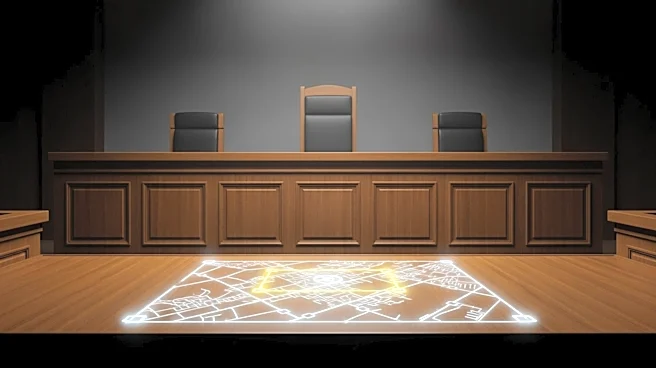
The US Supreme Court is currently reviewing the legality of geofence warrants, which allow law enforcement to request location data from tech companies like Google for individuals in a specific area at a specific time. This legal proceeding is expected
to redefine digital privacy rights across the country. Critics argue that these warrants violate the Fourth Amendment by potentially ensnaring innocent bystanders. The case is linked to a 2019 incident involving Okello Chatrie, accused of bank robbery, where police used Google data to identify suspects. The court's decision, expected by the end of the year, will significantly impact digital privacy rights across the country.
Why It's Important?
The Supreme Court's decision on geofence warrants will have a profound impact on digital privacy rights in the United States. If upheld, these warrants could set a precedent for law enforcement's access to personal data, raising concerns about privacy and civil liberties. The outcome could affect how tech companies handle data requests and influence future legislation on digital privacy. Stakeholders such as civil liberties groups, tech companies, and law enforcement agencies are closely monitoring the case, as it could redefine the balance between privacy rights and law enforcement needs.
What's Next?
The Supreme Court's decision is anticipated by the end of the year. Depending on the outcome, there could be significant changes in how digital data is accessed by law enforcement. A ruling in favor of geofence warrants might lead to increased use of such warrants, while a ruling against them could prompt legislative action to protect digital privacy. Tech companies may also need to adjust their data handling practices in response to the ruling.