



What's Happening?
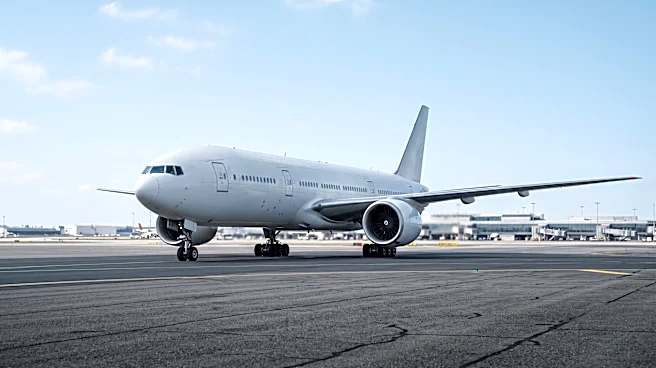
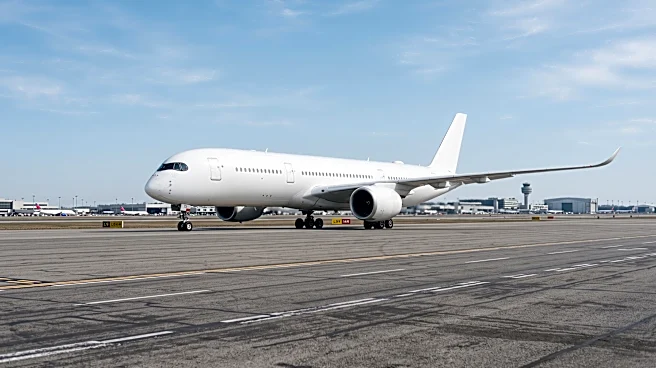
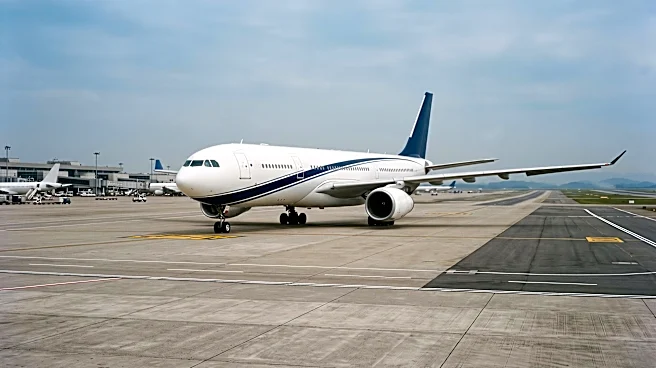
The Federal Aviation Administration (FAA) issued a nationwide ground stop on Friday, leading to thousands of flight delays and cancellations across the United States. The disruption was attributed to telecommunications issues affecting air traffic controllers.
While the specific nature of the telecommunications problem was not immediately detailed, the FAA's directive halted all domestic departures for a period, causing significant operational backlogs at airports nationwide. Travelers experienced widespread disruptions, with many flights either held at their origin airports or canceled outright. The ground stop created a ripple effect throughout the air travel system, impacting both major hubs and smaller regional airports. The FAA eventually lifted the ground stop, allowing air traffic to gradually resume, but the effects of the disruption continued to be felt for hours afterward as airlines worked to clear the backlog of delayed and canceled flights.
Why It's Important?
This incident highlights the critical reliance of the national air transportation system on robust and uninterrupted telecommunications infrastructure. A nationwide ground stop, even for a relatively short duration, can have substantial economic consequences, affecting business travel, supply chains, and the tourism industry. The disruption underscores potential vulnerabilities within the air traffic control system's communication networks, raising questions about redundancy and resilience in critical national infrastructure. For airlines, such events result in significant financial losses due to operational costs, passenger compensation, and schedule recovery efforts. For the traveling public, it means lost time, missed connections, and considerable inconvenience, emphasizing the need for reliable and secure systems to maintain the efficiency and safety of air travel.
What's Next?
Following the lifting of the ground stop, airlines will focus on recovering their schedules and rebooking affected passengers. This process is expected to take several hours, if not days, as carriers work to reposition aircraft and crews. The FAA is likely to conduct a thorough investigation into the telecommunications issues that caused the disruption to identify the root cause and implement corrective measures. This investigation may lead to recommendations for upgrades or changes in communication protocols and infrastructure within the air traffic control system. Stakeholders, including airlines and government agencies, will likely review the incident to assess the effectiveness of their contingency plans and identify areas for improvement to prevent similar widespread disruptions in the future.
Beyond the Headlines
The incident raises broader questions about the resilience of critical national infrastructure in the face of technological challenges and potential cyber threats. While the FAA attributed the ground stop to telecommunications issues, the event serves as a reminder of the interconnectedness of various systems that underpin modern society. A failure in one component, such as communication networks, can have cascading effects across an entire sector. This event could prompt a wider review of the cybersecurity posture and operational redundancies within essential services, not just in aviation but across other critical infrastructure sectors. It also underscores the ongoing challenge of maintaining and upgrading complex legacy systems while integrating new technologies to ensure both efficiency and security in an increasingly digital world.