








What's Happening?
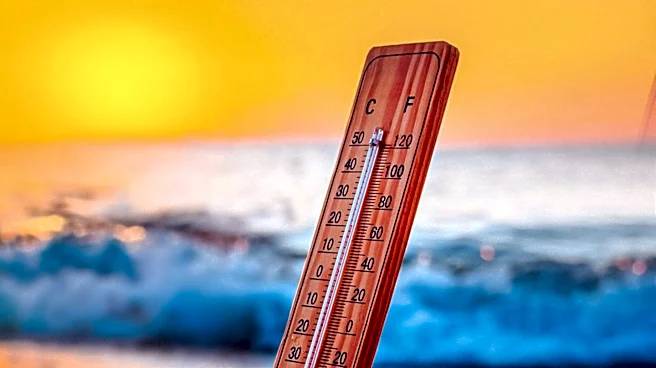
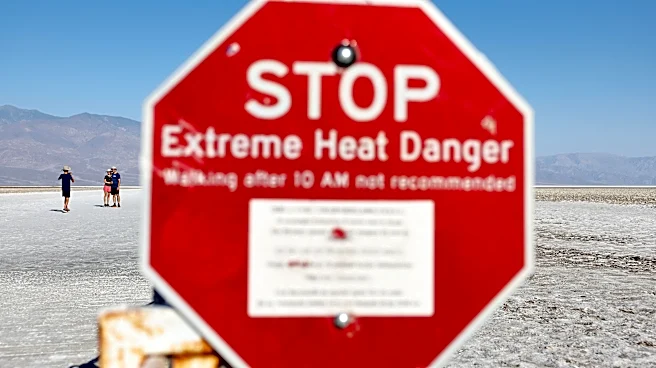
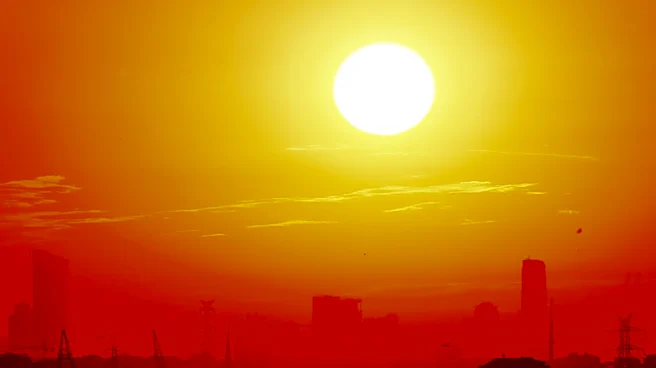
The National Weather Service has forecasted a prolonged heat wave across the central to eastern U.S., expected to last into the July 4 holiday weekend. Temperatures are predicted to reach the 90s and low 100s Fahrenheit, with high humidity levels pushing
heat indices to dangerous levels. The heat wave is attributed to climate change, with scientists noting that similar events in the past were significantly cooler. Residents are advised to stay indoors, stay hydrated, and follow safety guidelines to mitigate health risks.
Why It's Important?
This heat wave serves as a stark reminder of the increasing frequency and intensity of extreme weather events due to climate change. The health implications are significant, particularly for those with underlying health conditions, as high temperatures can exacerbate these issues. The economic impact is also considerable, with potential disruptions to daily life and increased energy demands. The situation highlights the urgent need for climate action and adaptation strategies to protect communities.
What's Next?
Authorities are likely to continue issuing heat advisories and providing resources such as cooling centers to assist those affected by the heat. Public health campaigns will emphasize the importance of staying informed and taking proactive measures to stay safe. As the heat wave progresses, further analysis of its impact on public health and infrastructure will be conducted to inform future preparedness efforts.