

What's Happening?
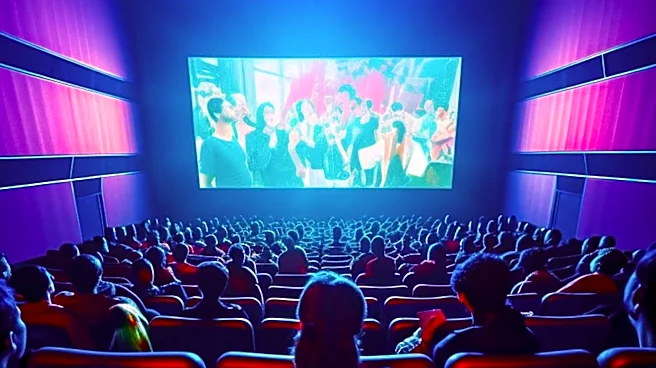
In the Philadelphia region, moviegoers are expressing concerns about the high volume levels in theaters, particularly during action-packed films. Richard Whiteford, a 79-year-old resident, reported that the sound levels during a screening of 'The Odyssey'
reached 110.2 decibels, a level that can cause hearing damage within minutes. This has raised questions about whether theaters have become louder over time. Audiologist Frank Wartinger noted that while theaters generally keep sound levels below 95 decibels, exceptions occur during loud films. The issue is compounded by longer film durations, which expose audiences to extended periods of loud sound. Whiteford, who has a background in the music industry and wears hearing aids, highlighted the personal impact of these noise levels.
Why It's Important?
The potential for hearing damage from high decibel levels in movie theaters is a significant public health concern. Prolonged exposure to loud sounds can lead to temporary or even permanent hearing loss, affecting quality of life, especially for vulnerable groups like young children and those with pre-existing hearing damage. Theaters must balance the immersive experience intended by filmmakers with the safety of their audiences. This issue underscores the need for awareness and preventive measures, such as using earplugs, to protect hearing health. The discussion also raises broader questions about consumer rights and the responsibilities of entertainment venues to ensure a safe environment.
What's Next?
As awareness of the issue grows, there may be increased pressure on theaters to implement measures that protect audience hearing. This could include posting warnings about sound levels, installing decibel readers, or providing earplugs. Audiologists like Wartinger recommend filtered earplugs for moviegoers, which can reduce volume without compromising dialogue clarity. Theaters might also consider adjusting sound systems to maintain the intended cinematic experience while minimizing health risks. Public health campaigns could further educate audiences on the importance of protecting their hearing during loud events.
Beyond the Headlines
The debate over theater noise levels touches on broader themes of accessibility and inclusivity. As the population ages, more individuals may experience hearing loss, making it crucial for public spaces to accommodate their needs. The issue also highlights the tension between technological advancements in sound systems and the human capacity to safely process such stimuli. Long-term, this could influence how entertainment venues design their audio experiences, potentially leading to innovations that prioritize both immersion and safety.