






What's Happening?
The U.S. Department of Justice (DOJ) has released a new corporate enforcement policy applicable to nearly all criminal cases, excluding antitrust violations. This policy aims to enhance transparency and incentivize responsible corporate behavior by outlining
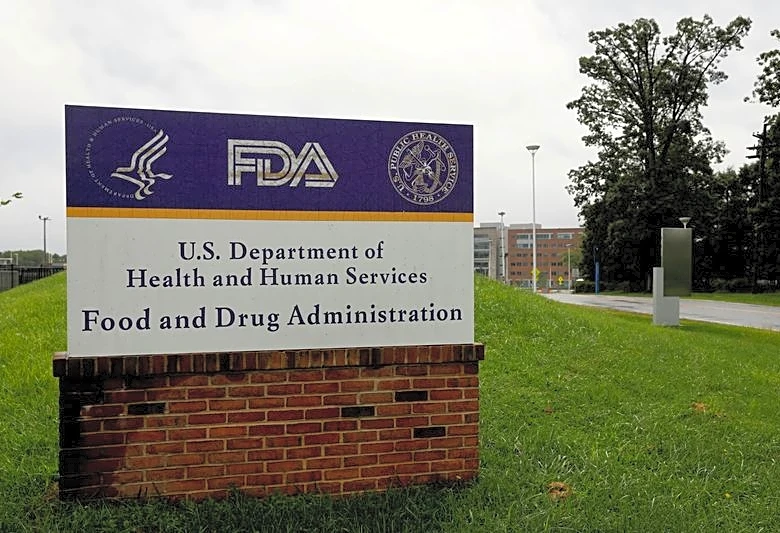
self-disclosure requirements for companies to qualify for declination under the DOJ's Corporate Enforcement and Voluntary Self-Disclosure Policy. Healthcare companies, in particular, can benefit from this policy, which offers a potential declination of criminal prosecution for qualifying self-disclosures. Concurrently, the U.S. Department of Health and Human Services (HHS) Office of Inspector General (OIG) continues to offer its Health Care Fraud Self-Disclosure Protocol, which provides a separate set of criteria and benefits for disclosing healthcare fraud and other violations. The OIG protocol, originally created in 1998 and amended in 2021, focuses on entities engaged with federal healthcare programs.
Why It's Important?
These self-disclosure protocols are crucial for healthcare entities as they navigate potential misconduct and seek to mitigate liability. The DOJ policy provides a significant incentive for companies to voluntarily disclose misconduct by offering the possibility of avoiding criminal prosecution. This is particularly important in the current climate, where the DOJ has increased its focus on fraud prosecutions. The OIG protocol, while offering a lower damages multiplier for self-disclosures, is more narrowly focused on healthcare-related misconduct. Understanding the differences between these protocols is essential for healthcare entities to make informed decisions about self-disclosure and to take advantage of the benefits offered by each program.
What's Next?
Healthcare entities must carefully assess their compliance programs and consider the potential benefits of self-disclosure under the DOJ and OIG protocols. As the DOJ continues to ramp up fraud prosecutions, companies that fail to self-disclose may face significant disadvantages in subsequent investigations. The emphasis on self-disclosure by both the DOJ and OIG highlights the importance of proactive compliance measures and the need for healthcare entities to invest in robust internal compliance departments. These steps can help mitigate the risk of misconduct and ensure that companies are well-positioned to take advantage of the self-disclosure incentives offered by federal agencies.