




What's Happening?
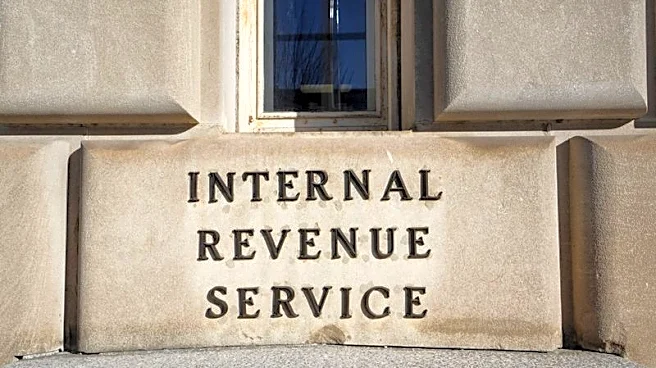
Senators Reverend Raphael Warnock (D-GA) and Ron Wyden (D-OR) have initiated an inquiry into reports suggesting the Trump administration is developing plans to politically weaponize the Internal Revenue Service’s (IRS) tax enforcement authority. The senators
are investigating claims that the administration intends to target perceived ideological opponents, specifically left-leaning non-profit, non-partisan organizations, by reviewing their tax-exempt status. This probe follows reports from The New York Post on August 27, 2026, indicating that Treasury officials are creating a 'blueprint' for potential revocations of tax-exempt status for organizations such as Open Society Foundations, Southern Poverty Law Center, and Council on American-Islamic Relations. The senators emphasize that the IRS must apply tax code objectively and without political bias, citing a 2013 controversy involving the IRS's treatment of conservative organizations. They are demanding that Treasury Secretary Scott Bessent and IRS Chief Executive Officer Frank Bisignano disclose details about these plans, any communications directing prohibited enforcement actions, and preserve all associated documents.
Why It's Important?
This inquiry is important because it addresses fundamental concerns about the integrity and impartiality of federal agencies, particularly the IRS. If the allegations are true, the political targeting of non-profit organizations could undermine public trust in government institutions and erode the principle of objective tax enforcement. Such actions could also have a chilling effect on free speech and association, as organizations might self-censor to avoid government scrutiny. The potential use of the IRS as a political tool could set a dangerous precedent, allowing future administrations to suppress dissent or target groups based on their ideological viewpoints rather than their compliance with tax laws. This situation also highlights the vulnerability of non-profit organizations, which play a crucial role in civil society, to political pressures and potential abuse of power. The senators' actions aim to safeguard the independence of the IRS and protect the constitutional rights of U.S. citizens and organizations.
What's Next?
Senators Warnock and Wyden have requested that Treasury Secretary Scott Bessent and IRS Chief Executive Officer Frank Bisignano provide specific information and documents by September 15, 2026. This includes the alleged 'blueprint' for targeting tax-exempt organizations, identification of officials involved in developing these policies, and details on any recommendations for IRS examination or revocation of tax-exempt status. They also seek to know if political affiliation or ideological viewpoints have been used to identify organizations for scrutiny and the legal standards applied to determine financing of political violence or domestic terrorism. The senators expect prompt cooperation with their inquiry and have demanded the preservation of all relevant records. The outcome of this investigation could lead to legislative actions to further protect the IRS from political interference, potential legal challenges from targeted organizations, or internal reforms within the Treasury Department and IRS to reinforce impartiality and adherence to federal law.
Beyond the Headlines
The deeper implications of this situation extend to the broader health of American democracy and the rule of law. The alleged weaponization of a federal agency like the IRS for political purposes challenges the foundational principle that government institutions should serve all citizens impartially, regardless of their political leanings. This development could exacerbate political polarization and distrust in government, making it harder for diverse groups to operate freely and contribute to public discourse. It also raises ethical questions about the conduct of public officials and the boundaries of executive power. The senators' reference to Section 7217 of the Internal Revenue Code, which prohibits senior Executive Branch officials from requesting audits or investigations of particular taxpayers, underscores the legal and ethical safeguards designed to prevent such abuses. The ongoing scrutiny will test the resilience of these safeguards and potentially influence future debates on government oversight and accountability.