


What's Happening?
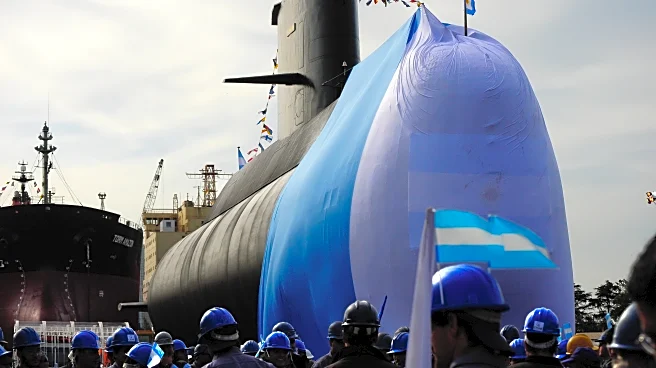
Four former high-ranking officers of the Argentine navy are on trial for their alleged roles in the sinking of the ARA San Juan submarine in 2017, which resulted in the deaths of 44 crew members. The trial is taking place in the southern province of Santa
Cruz, where the defendants face charges of dereliction of duty, breach of official obligations, and aggravated negligent destruction. These charges carry potential prison sentences. The submarine, a German-built vessel, disappeared on November 15, 2017, in the South Atlantic while traveling from Ushuaia to its base in Mar del Plata. Prior to its disappearance, the submarine reported a malfunction due to water entering the batteries through the snorkel, which was supposedly resolved. However, an explosion was detected in the area where contact was lost. Investigations revealed that the submarine had operational deficiencies before its departure, including numerous technical defects documented by various captains since its 2015 mid-life overhaul.
Why It's Important?
The trial is significant as it addresses accountability within the Argentine navy for the tragic loss of life. It highlights the potential systemic issues within military operations and maintenance protocols. The case also underscores the challenges in holding military and political leaders accountable, as no high-level political figures have been prosecuted. The trial's outcome could influence future military oversight and operational standards, potentially leading to reforms in how military equipment is maintained and how responsibilities are managed. The families of the deceased crew members, represented by attorney Luis Tagliapietra, have expressed dissatisfaction with the trial, arguing that it does not fully address the justice they seek, particularly in terms of investigating political leadership at the time.
What's Next?
The trial is expected to continue as the court examines the evidence and testimonies related to the submarine's operational deficiencies and the actions of the accused officers. The families of the victims may continue to push for broader accountability, potentially seeking further legal action against political figures they believe were responsible. The outcome of the trial could lead to changes in military protocols and oversight to prevent similar incidents in the future. Additionally, the trial may prompt discussions on the need for transparency and accountability in military operations, both within Argentina and internationally.
Beyond the Headlines
The trial raises questions about the broader implications of military accountability and the role of political leadership in ensuring the safety and effectiveness of military operations. It highlights the potential for systemic issues within military organizations that can lead to tragic outcomes if not addressed. The case also reflects the challenges in balancing military secrecy with the need for transparency and accountability, particularly in incidents involving loss of life. The trial's proceedings and outcome may influence public perception of the military and government, potentially affecting trust and confidence in these institutions.