



What's Happening?
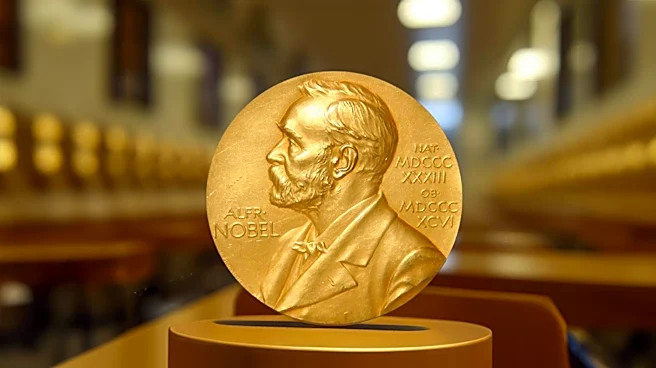
Dr. Robin Cooper, a professor in the Department of Biology at the University of Kentucky, has been recognized with a Great Teacher Award by the University of Kentucky Alumni Association. This award, established in 1961, is the longest-running recognition
program at the university for accomplished educators. Dr. Cooper, who has been a faculty member since 1996 and serves as the director of undergraduate studies for neuroscience, was nominated by a student. His teaching philosophy emphasizes connecting classroom lessons in physiology and neurobiology to real-world applications, clinical practice, and research breakthroughs. He actively engages students in hands-on laboratory research and practical demonstrations, fostering a deeper understanding of scientific principles. Dr. Cooper has also co-authored over 60 peer-reviewed papers with undergraduate students and is involved in initiatives to improve STEM education in Kentucky, including the Robert Noyce Teacher Scholarship Program and a global 'Citizen Science' initiative for K-12 students.
Why It's Important?
Dr. Cooper's recognition highlights the critical importance of pedagogical approaches that bridge theoretical knowledge with practical application in STEM education. By emphasizing real-world relevance, he not only enhances student engagement and comprehension but also prepares them more effectively for future careers in science, medicine, and research. His work in co-authoring papers with undergraduates and mentoring high school students demonstrates a commitment to fostering the next generation of scientists and innovators. This approach is vital for the U.S. to maintain its competitive edge in scientific and technological fields, as it cultivates a workforce capable of applying complex scientific principles to solve real-world problems. Furthermore, his involvement in STEM education initiatives in Kentucky contributes to strengthening the educational pipeline, particularly in underserved areas, which is crucial for national scientific literacy and workforce development.
What's Next?
The University of Kentucky will continue to feature stories about this year's Great Teacher Award winners in the coming months, providing further insight into their contributions to education. Dr. Cooper's continued work as a professor and director of undergraduate studies for neuroscience will likely see him further implement his philosophy of connecting science to real-world situations. His involvement in programs like the Robert Noyce Teacher Scholarship Program and the 'Citizen Science' initiative suggests ongoing efforts to improve STEM education at various levels. These initiatives are expected to continue impacting students from K-12 through university, potentially inspiring more students to pursue STEM fields and fostering a greater understanding of scientific principles within the broader community. The university's recognition of such teaching excellence may also encourage other educators to adopt similar student-centric and application-focused teaching methods.
Beyond the Headlines
Dr. Cooper's teaching methodology, which prioritizes the practical application of scientific principles, addresses a broader challenge in education: the perceived disconnect between academic learning and real-world utility. By making science tangible and relevant, he not only enhances learning outcomes but also cultivates critical thinking and problem-solving skills essential for navigating complex societal issues. This approach has ethical implications, as it encourages students to consider the societal impact of scientific advancements and their potential to contribute to solutions for global challenges. Culturally, such teaching fosters a more scientifically literate populace, which is crucial for informed public discourse on topics ranging from public health to environmental policy. His efforts to engage K-12 students through 'Citizen Science' initiatives also promote a sense of scientific inquiry and civic responsibility from an early age, potentially shaping future generations' engagement with scientific issues.