




What's Happening?
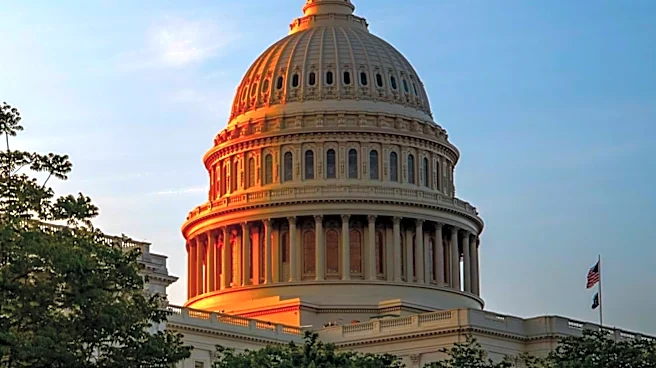
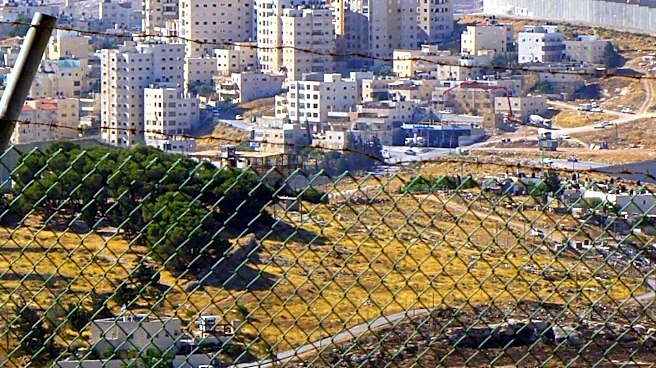
Twenty-nine Democratic senators have urged Israel to halt proposed construction in the E1 area, located between Jerusalem and Ma’aleh Adumim, an Israeli city of 40,000 residents. The senators argue that Israeli construction in E1 would sever the Ramallah-Bethlehem
corridor, thereby undermining the contiguity of a future Palestinian state and jeopardizing the prospects for a two-state solution. This pressure from U.S. policymakers highlights a long-standing point of contention, as advocates for Palestinian statehood view E1 development as a critical obstacle. Despite international opposition, E1 lies in Area C, where Israel maintains planning and zoning authority under the Oslo framework. The U.S. stance emphasizes its commitment to a two-state solution that ensures lasting peace and security for both Israel and a future Palestinian state. The debate extends beyond the immediate construction, touching upon the broader question of security control in this strategically vital corridor.
Why It's Important?
The U.S. senators' demand underscores the ongoing diplomatic tension between the United States and Israel regarding West Bank settlements. This pressure reflects a growing concern within the Democratic Party about Israeli policies that are perceived to hinder the establishment of a Palestinian state. For the U.S., maintaining the viability of a two-state solution is a cornerstone of its Middle East foreign policy, and actions that appear to undermine this goal can strain bilateral relations. The E1 area is considered critical because its development could physically separate Palestinian urban centers, making a contiguous Palestinian state difficult to achieve. This situation also impacts regional stability, as the U.S. seeks to balance its support for Israel's security with its commitment to Palestinian self-determination. The debate also brings into focus the differing perspectives on security needs versus political aspirations in the region.
What's Next?
The immediate future will likely see continued diplomatic exchanges between the U.S. and Israeli governments regarding the E1 construction plans. While the senators' letter expresses a strong stance, it remains to be seen whether the Israeli government will alter its plans in response to this pressure. The issue may also become a point of discussion in upcoming U.S.-Israel bilateral meetings. Domestically, the issue could further fuel debates within the Democratic Party regarding U.S. foreign policy towards Israel and Palestine. International bodies and other nations may also weigh in, potentially increasing diplomatic pressure on Israel. The long-term implications could involve a reassessment of U.S. aid or diplomatic support if the construction proceeds, depending on the administration's priorities and the evolving political landscape.
Beyond the Headlines
Beyond the immediate political implications, the E1 debate touches upon fundamental questions of sovereignty, security, and the future of the Israeli-Palestinian conflict. From an Israeli security perspective, control over E1 is seen as crucial for protecting Highway 1, a vital artery connecting major population centers to the Jordan Valley, which serves as Israel's eastern strategic barrier. Concerns about weapons and narcotics smuggling across the eastern frontier, and the potential for increased instability in Jordan, highlight Israel's strategic rationale for maintaining security control. Conversely, for Palestinians, E1 represents a critical link for their future state's territorial integrity. The underlying question of whether Palestinian society is prepared to accept a permanent Jewish state, especially post-October 7, adds another layer of complexity, transforming the E1 discussion from a real-estate dispute into a fundamental question of strategic depth and military mobility for Israel's defense.