







What's Happening?
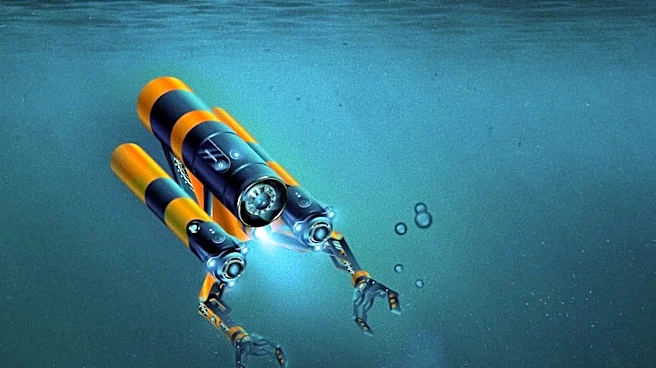
The Pentagon is experimenting with a new approach to developing its next-generation combat submarine drone by funding multiple teams to create different designs. One team is constructing a hydrogen fuel cell-powered submarine, while others explore all-electric
options. This initiative aims to overcome the traditional delays and cost overruns associated with military procurement. The project, known as the Combat Autonomous Maritime Platform (CAMP), seeks to enhance the U.S. Navy's capabilities with a submarine that can travel over 1,000 nautical miles and operate at depths greater than 200 meters.
Why It's Important?
This innovative approach to military procurement could revolutionize how the Pentagon develops new technologies, potentially reducing costs and accelerating deployment. The use of hydrogen fuel cells and electric power in submarines represents a significant shift towards more sustainable and efficient military technology. Success in this project could enhance the U.S. Navy's operational capabilities, particularly in the Pacific, and set a precedent for future defense projects. The competition among different teams also encourages technological innovation and diversity in design solutions.
What's Next?
The Pentagon will continue to evaluate the different submarine designs, with sea trials and demonstrations scheduled for 2027. The outcome of this project could influence future military procurement strategies and the adoption of alternative energy sources in defense technology. Stakeholders in the defense industry will be closely monitoring the progress and results of the CAMP initiative, as it may lead to broader changes in how military contracts are awarded and executed.