
What's Happening?
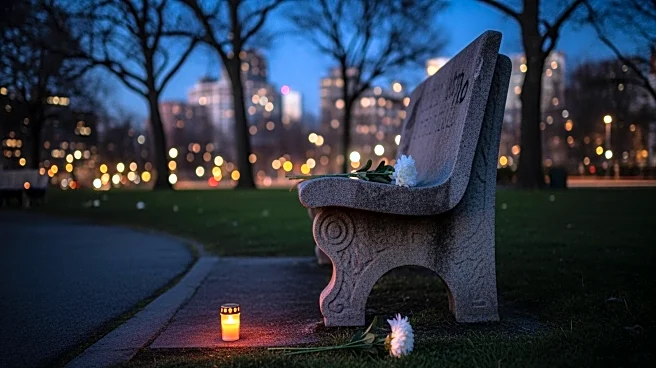
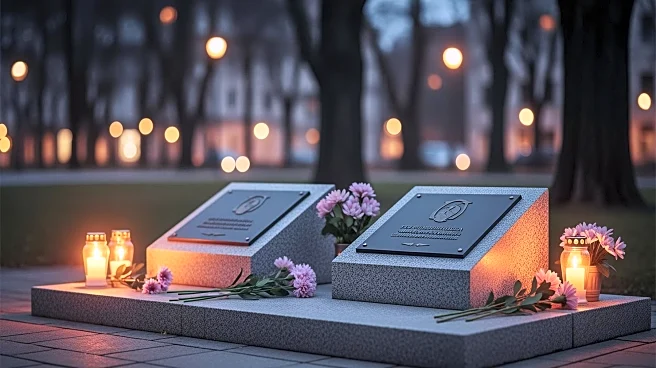
In Minneapolis, the city is grappling with how to manage makeshift memorials for Renee Good and Alex Pretti, two U.S. citizens killed by federal agents last month. These memorials, which have become sites for community gatherings and vigils, echo the memorial for George
Floyd, who was killed by a police officer in 2020. The city is currently engaging with the community to determine the future of these memorials, while ensuring that emergency vehicles can access the areas. The memorials have become symbols of community solidarity, with residents expressing their grief and outrage over the killings.
Why It's Important?
The decision on how to handle these memorials is significant as it reflects broader societal issues of police violence and community healing. The memorials serve as a focal point for public mourning and protest, highlighting ongoing tensions between law enforcement and communities. The city's approach to these memorials could set a precedent for how similar situations are handled in the future, impacting public policy and community relations. The outcome may influence how cities across the U.S. address public spaces dedicated to victims of police violence.
What's Next?
Minneapolis officials are actively working on next steps, including continued community engagement regarding the memorials. The city has not yet decided whether the memorials will be made permanent. The decision-making process will likely involve discussions with community leaders, residents, and possibly federal authorities. The outcome could affect traffic patterns and public safety measures in the areas surrounding the memorials.