




What's Happening?
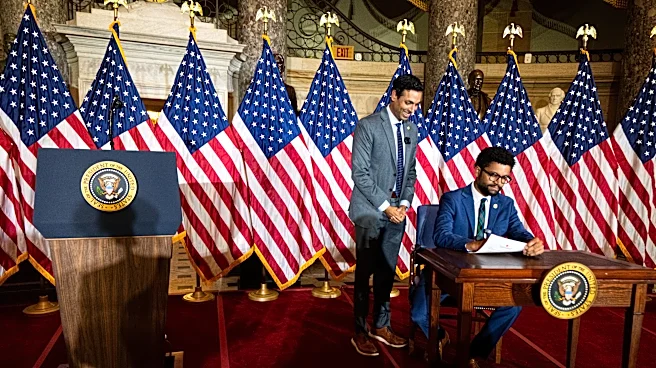
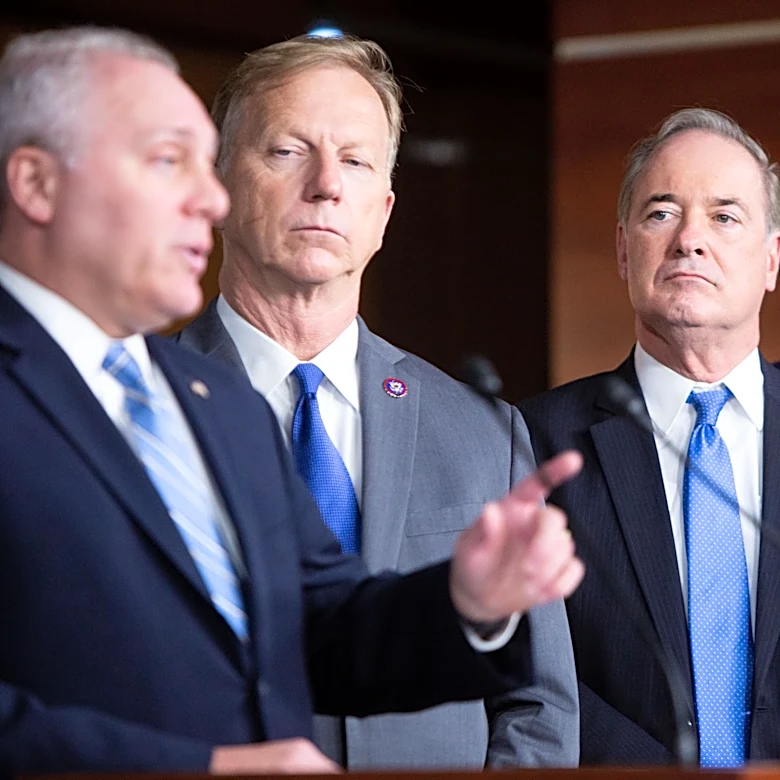
Representative Josh Gottheimer (D-NJ-5), Co-Chair of the House AI Commission and a senior member of the House Intelligence Committee, has introduced H.R. 10981, the American AI Security Act. This bipartisan legislation, co-led by Representative Mike Lawler
(R-NY-17), aims to establish mandatory pre-deployment national security reviews for powerful artificial intelligence (AI) models. The bill requires developers of 'covered foundation models'—broad-purpose AI models meeting specific size and capability thresholds—to provide the National Security Agency (NSA) with full access to their models and related information before initial deployment or substantial modification. The NSA would then have 30 days, with a possible 30-day extension, to evaluate if the model could pose cybersecurity threats, exploit information system vulnerabilities, bypass cybersecurity defenses, or assist in the development or deployment of chemical, biological, or radiological weapons. The Department of Commerce, in collaboration with other federal agencies, would be responsible for defining these covered models and establishing regulations.
Why It's Important?
This legislation is significant for U.S. national security and the future of AI development. By mandating pre-deployment reviews, the American AI Security Act seeks to mitigate potential risks associated with advanced AI, particularly those that could be weaponized or exploited by malicious actors. The bill addresses concerns that powerful AI models could be used to train military AI systems, accelerate cyber operations against U.S. networks, or expand state surveillance, especially by foreign adversaries. For AI developers, this introduces a new regulatory hurdle, requiring transparency and cooperation with government agencies before their models can be deployed. While it aims to protect national security, it also creates a framework for appeals through a new Artificial Intelligence Security Review Court, balancing security needs with industry innovation. The preemption of state and local laws regarding AI safety protocols also centralizes regulatory authority at the federal level, aiming for a consistent national approach.
What's Next?
Following its introduction, the American AI Security Act will proceed through the legislative process, requiring consideration and potential amendments in Congress. If enacted, the Department of Commerce would be tasked with issuing regulations within six months to define covered AI models, identify risky capabilities, and outline developer requirements. The NSA would then begin conducting mandatory evaluations of these models. Developers would need to adapt their deployment strategies to incorporate these national security reviews, providing detailed information on training, safety tests, deployment plans, and access controls. The bill also mandates regular reviews and updates of these regulations, along with reports to Congress on their effectiveness and any suggested legislative changes. The establishment of the Artificial Intelligence Security Review Court would provide a mechanism for developers to appeal NSA recommendations, setting a precedent for judicial oversight in AI security.
Beyond the Headlines
The American AI Security Act highlights a growing recognition within the U.S. government of the dual-use nature of advanced AI technologies and the imperative to balance innovation with national security. This legislation could set a global precedent for how nations regulate powerful AI, potentially influencing international standards and collaborations on AI safety. The creation of a specialized court for AI security appeals underscores the complex legal and technical challenges involved in governing this rapidly evolving field. Furthermore, the bill's focus on preventing AI from being used for cyberattacks or weapons development reflects a proactive approach to emerging threats, aiming to establish guardrails before potential misuse becomes widespread. This move could also spur further investment in AI safety research and development within the private sector, as companies seek to ensure compliance and demonstrate the security of their models.