



What's Happening?
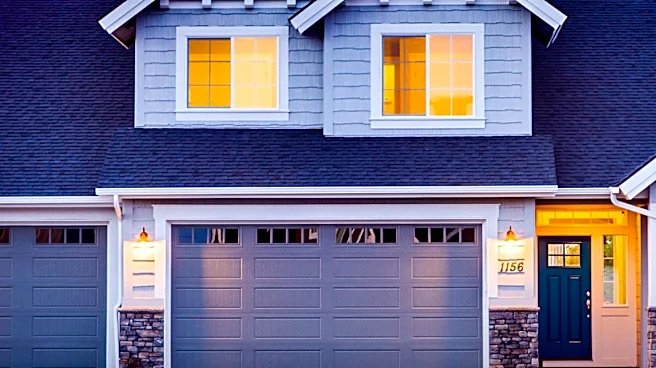
Property owners in Miami-Dade County are encountering significant challenges when attempting to legalize garage conversions that were undertaken without proper authorization. Many garages have been transformed into bedrooms, studios, or living rooms, appearing
as ordinary parts of a home, while official plans still designate them for parking or storage. The core issue is not the professional appearance of these conversions but whether the construction and subsequent use were officially authorized and can meet current approval requirements. Legalization is not guaranteed and depends on a property-specific assessment. Owners must first identify the correct jurisdiction and intended use before investing in architectural drawings or advertising the space as habitable. A qualified design professional is required to document the existing layout and compare it against approved plans, accurately describing the use, including any separate kitchens, bathrooms, entrances, or occupancy arrangements. Mislabeling a dwelling unit as a 'storage room' to simplify the application is discouraged, as reviewers need accurate information to evaluate proposals. The County's guidance indicates that dividing a residence into more living units than zoning permits can constitute illegal use, especially for separate rental arrangements, necessitating a review of both zoning permission and building approval.
Why It's Important?
The prevalence of unpermitted garage conversions in Miami-Dade highlights a significant regulatory and housing issue. For property owners, the inability to legalize these spaces can lead to code violations, fines, and potential enforcement actions, including requirements to revert the property to its original state. This situation also creates uncertainty during property sales or rentals, as unpermitted work can complicate transactions and expose buyers to future legal liabilities. From a broader perspective, these conversions often represent an attempt to address housing needs, whether for additional living space for family or as rental units to generate income. However, without proper oversight, these units may not meet safety, health, or zoning standards, posing risks to occupants and surrounding communities. The rigorous legalization process underscores the importance of adherence to building codes and zoning laws, which are designed to ensure structural integrity, public safety, and planned community development. The complexity also points to a potential gap in accessible, affordable housing solutions that might drive property owners to undertake such conversions without official approval.
What's Next?
Property owners with unpermitted garage conversions in Miami-Dade must undertake a detailed process to assess the feasibility of legalization. This involves consulting with design professionals and relevant departments to understand applicable building, zoning, and other review requirements. They must assess the intended habitable use and the existing construction for issues related to structural changes, ventilation, electrical work, plumbing, or flood conditions. Miami-Dade’s permitting assistance program offers guidance for legalization projects, helping owners identify application requirements. If legalization is not feasible as proposed, owners may need to explore alteration or restoration options. For those facing violation notices, obtaining case history and understanding required response dates is crucial, as unresolved violations can lead to further enforcement consequences. The County's accessory dwelling unit (ADU) guidance provides a conditional route for certain units, including conversions, but requires its own eligibility review and Certificate of Use process. Owners are advised to retain all documents proving approved work, passed inspections, and any separate use approvals to avoid future complications.
Beyond the Headlines
The issue of illegal garage conversions in Miami-Dade extends beyond mere regulatory compliance, touching upon broader socio-economic and ethical dimensions. The existence of numerous unpermitted units suggests a demand for affordable housing options that the formal market may not be adequately supplying. Property owners, often seeking to maximize their property's utility or generate supplementary income, may resort to these conversions due to perceived high costs or complexities of official channels. This creates a shadow housing market that operates outside regulatory frameworks, potentially leading to substandard living conditions, safety hazards, and unfair rental practices. Ethically, it raises questions about the responsibility of property owners to ensure safe housing and the role of local government in providing clear, accessible pathways for legal conversions or alternative affordable housing solutions. Long-term, a failure to address this issue comprehensively could exacerbate housing inequality, strain public services, and undermine urban planning efforts, highlighting the need for policies that balance regulatory enforcement with practical housing needs.