





What's Happening?
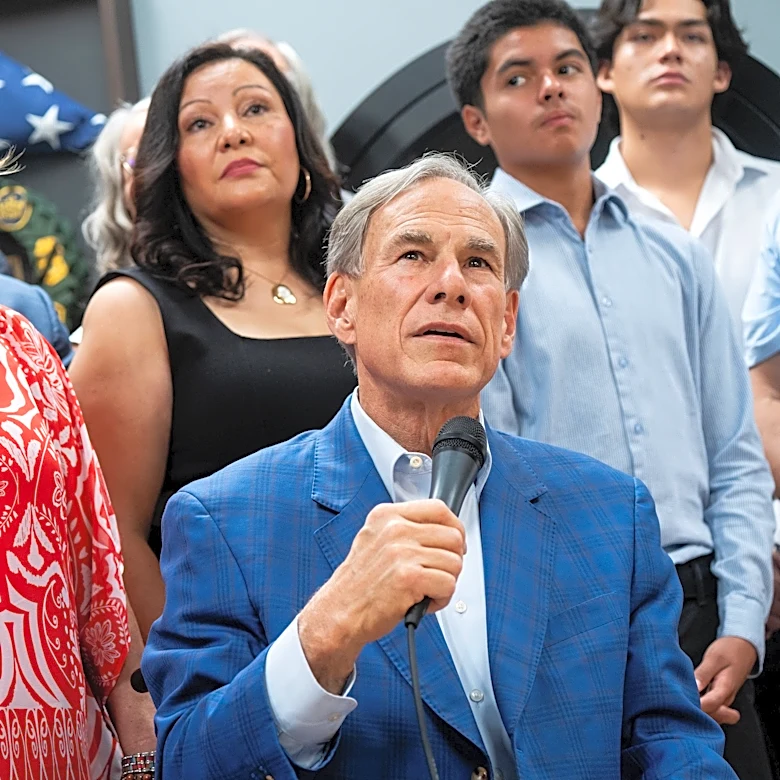
Oklahoma Governor Kevin Stitt has announced a special election for April 6, 2027, to allow Oklahomans to vote on whether to hold a constitutional convention. This decision comes despite a state constitutional requirement that voters be given this opportunity
at least every 20 years, a mandate that has not been met since 1970, marking a 56-year delay. Governor Stitt emphasized that the Oklahoma Constitution is clear on this right, stating, 'It’s been 56 years since the question was sent to the people. This action puts the question to the people and ensures Oklahomans finally get the opportunity their Constitution guarantees.' An executive order accompanying the proclamation instructs the Secretary of State to facilitate the vote and establishes the Oklahoma Constitutional Convention Commission. This commission will study the state's Constitution and recommend procedures and rules for a potential convention, with a report due by December 31, 2026.
Why It's Important?
This initiative is significant because it addresses a long-standing constitutional oversight and could lead to fundamental changes in Oklahoma's governance. The state's constitution mandates periodic review, reflecting a belief that foundational documents should evolve with society. The last vote on a constitutional convention was in 1970, and previous attempts in 1926, 1950, and 1970 all failed. The current action by Governor Stitt aims to rectify this historical inaction, ensuring citizens have their constitutionally guaranteed right to decide on potential changes. A constitutional convention could lead to a comprehensive re-evaluation and amendment of the state's governing document, impacting various aspects of public policy, from education and healthcare to taxation and the structure of state government. The creation of the Oklahoma Constitutional Convention Commission is crucial for providing a structured and informed approach to this complex process, ensuring that any potential convention is well-prepared and guided by expert recommendations.
What's Next?
The immediate next step is the work of the Oklahoma Constitutional Convention Commission, which must submit its report by December 31, 2026. This report will outline potential procedures, rules, and safeguards for a constitutional convention, providing critical information for voters ahead of the April 6, 2027, special election. The Secretary of State will also proceed with the necessary actions to place the question on the ballot. If voters approve the convention, the Oklahoma Legislature and the state's next governor (as Governor Stitt will be out of office by then) would then need to determine the specifics of how the convention would be constituted and operate. This could involve debates over delegate selection, the scope of amendments, and the overall framework of the convention. The process is likely to generate considerable public discussion and potential legal challenges regarding the governor's authority to call such a special election unilaterally.
Beyond the Headlines
This event delves into the core principles of democratic governance and constitutionalism. The requirement for periodic votes on constitutional conventions reflects a belief in the dynamic nature of constitutional law and the ultimate sovereignty of the people. The 56-year delay highlights potential challenges in upholding such constitutional mandates, raising questions about political will and institutional inertia. The debate surrounding a potential convention will likely touch upon the balance between stability and adaptability in constitutional frameworks. Furthermore, the composition and recommendations of the Oklahoma Constitutional Convention Commission will be critical in shaping public perception and the ultimate outcome. The process could also serve as a case study for other states with similar constitutional provisions, illustrating the complexities and implications of such a fundamental democratic exercise. The involvement of future political leaders, including the next governor, will be pivotal in navigating this potentially transformative period for Oklahoma.