






What's Happening?
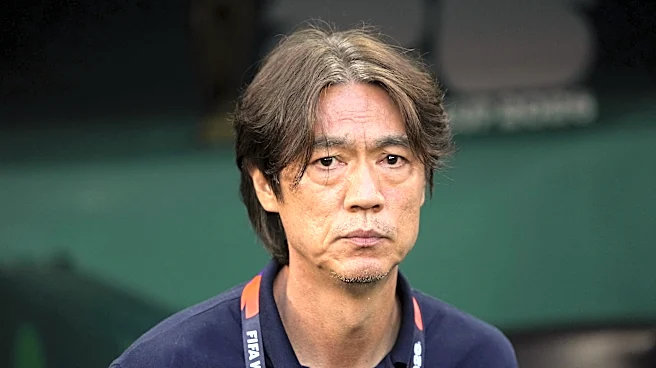
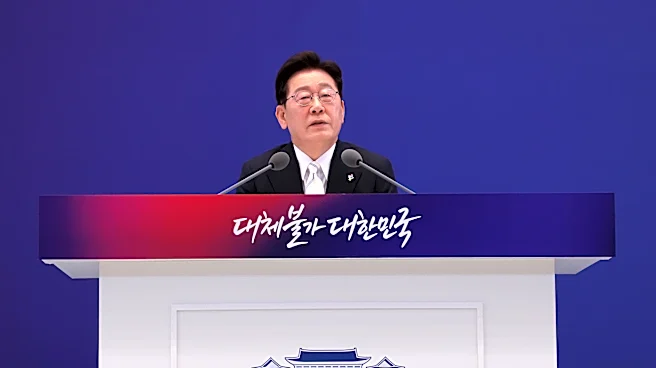
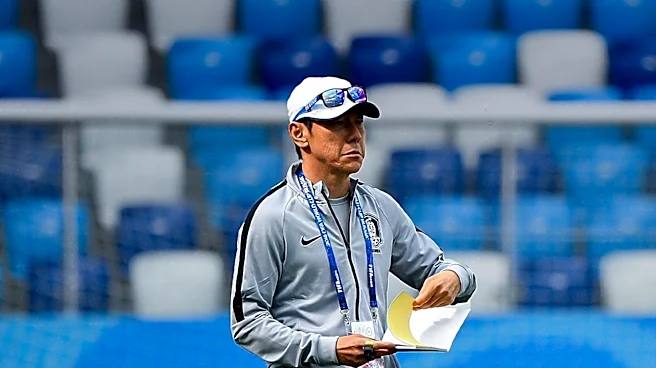
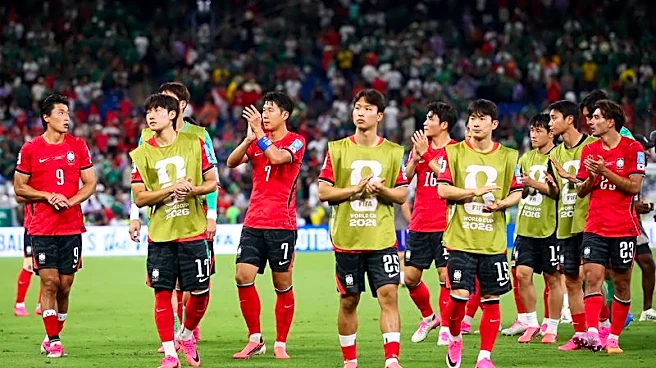
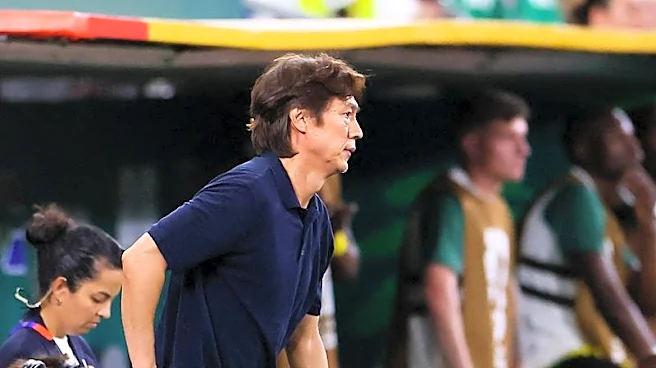
The recent World Cup exits have sparked significant political reactions in South Korea and Turkey. In South Korea, President Lee Jae Myung has called for an investigation into the national team's failure to advance, citing issues of favoritism and cronyism
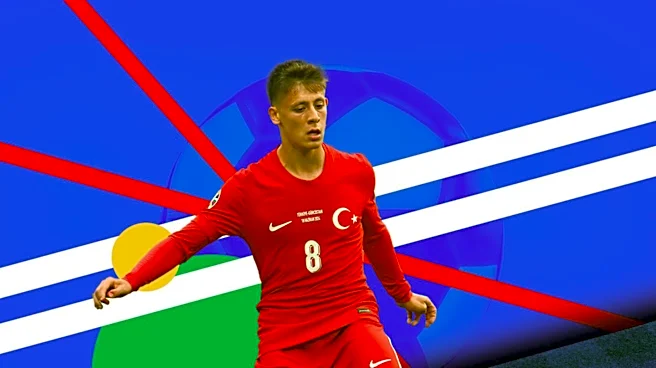
in the selection of head coach Hong Myung-bo. The controversy stems from Hong's appointment, which bypassed a transparent hiring process, leading to public dissatisfaction. In Turkey, the football federation president has controversially suggested prosecuting fans who criticized the national team following their elimination. These reactions highlight the intense scrutiny and political implications tied to national sports performances.
Why It's Important?
The political responses in South Korea and Turkey underscore the deep connection between national identity and sports, particularly in events like the World Cup. In South Korea, the investigation into the football association reflects broader governmental efforts to enhance transparency and accountability, potentially leading to reforms in sports administration. In Turkey, the suggestion to prosecute critical fans raises concerns about freedom of expression and the intersection of sports and politics. These developments could influence public trust in sports governance and impact future policy decisions related to national sports programs.
What's Next?
In South Korea, the investigation into the football association's hiring practices may lead to significant changes in how sports officials are selected, potentially setting a precedent for other national sports bodies. In Turkey, the backlash against the football federation's response could prompt discussions on the appropriate role of government and sports organizations in managing public criticism. Both countries may see increased public and political pressure to ensure fair and transparent processes in sports administration, which could have lasting effects on their national sports policies.