



What's Happening?
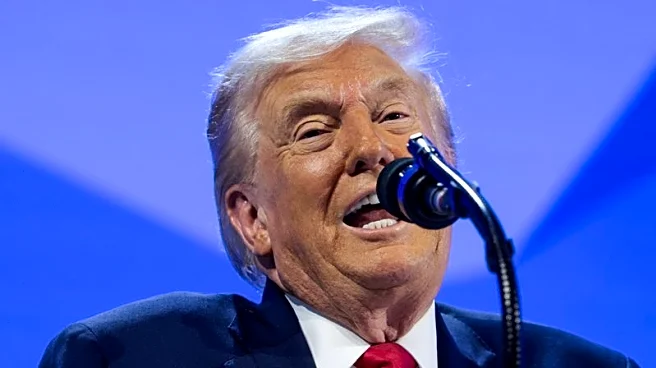
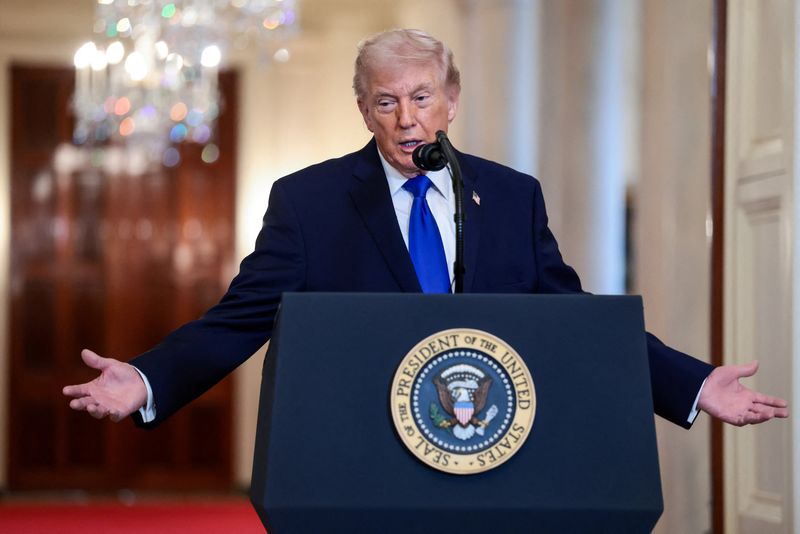
President Trump delivered his first State of the Union address of his second term, focusing on economic achievements and security policies. Despite claims of economic recovery, a recent NPR/PBS News/Marist poll indicates that six in ten Americans believe
the country is worse off than a year ago. The address covered various topics, including immigration, tariffs, and foreign policy. Trump emphasized his administration's efforts to reduce core inflation and touted the 'Great Health Care Plan' aimed at reducing healthcare costs. However, fact-checks reveal discrepancies in his claims, such as the impact of tariffs on manufacturing and the actual cost of prescription drugs.
Why It's Important?
The address comes at a time of significant public dissatisfaction with the current administration's handling of economic issues. While Trump claims to have reduced inflation and improved the economy, many Americans continue to feel the pinch of rising living costs. The speech's focus on tariffs and healthcare reflects ongoing debates about the best strategies to boost the U.S. economy and manage public welfare. The administration's policies could have long-term implications for U.S. manufacturing, healthcare, and international trade relations, affecting various stakeholders, including businesses, consumers, and policymakers.
What's Next?
The administration's economic policies, particularly tariffs and healthcare reforms, are likely to face scrutiny and debate in Congress. The effectiveness of these policies in addressing public concerns about the cost of living and economic stability will be critical in shaping public opinion and political dynamics. Additionally, the administration's approach to immigration and security will continue to be a focal point, with potential implications for domestic and international relations.