




What's Happening?
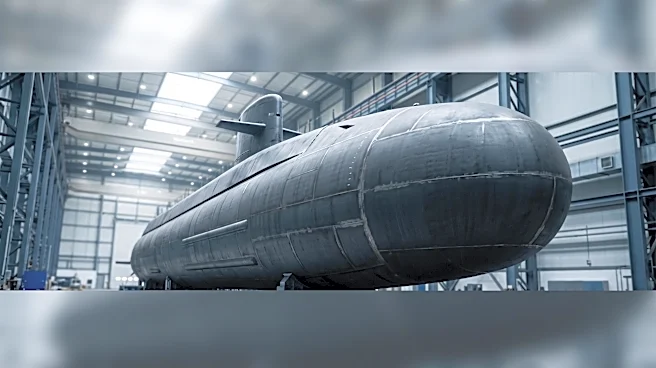
Nuclear Fuel Services (NFS), a subsidiary of BWXT, is a primary manufacturer of fuel material for all naval nuclear reactors utilized in U.S. submarines and aircraft carriers. Beyond its role in naval defense, NFS also undertakes the conversion of highly
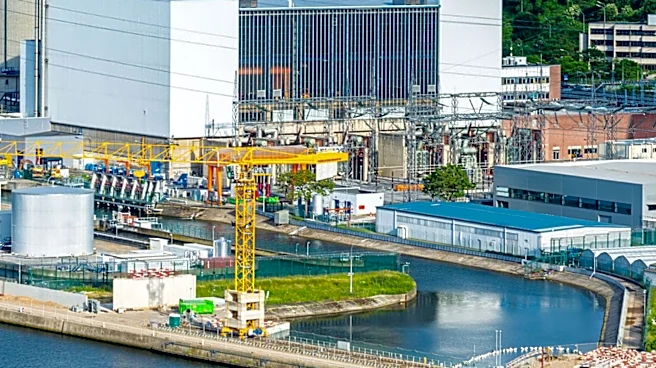
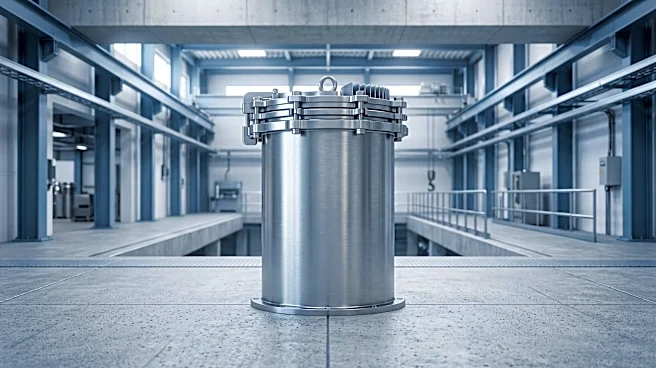
enriched uranium (HEU) from Cold War-era government stockpiles. This HEU is processed into material suitable for commercial nuclear reactor fuel. The company operates a plant in Erwin, Tennessee, which is one of two facilities in the U.S. owned by BWXT and licensed by the Nuclear Regulatory Commission (NRC) for the storage and processing of HEU. NFS emphasizes its commitment to safety and security, maintaining a robust safety program and a highly trained security force at its facilities. This dual function supports both national security objectives and the advancement of clean energy for American consumers and businesses.
Why It's Important?
NFS's operations are critical for U.S. national security, as it supplies the essential fuel for the nation's naval fleet, including submarines and aircraft carriers. This ensures the operational readiness and strategic capabilities of the U.S. Navy. Furthermore, the conversion of HEU from government stockpiles into commercial nuclear fuel has significant implications for non-proliferation efforts by reducing the amount of weapons-grade material. This process also contributes to the domestic clean energy sector by providing fuel for commercial nuclear reactors, aligning with broader goals of energy independence and reduced carbon emissions. The secure management of HEU at licensed facilities underscores the importance of stringent safety protocols in handling nuclear materials, mitigating potential risks associated with their storage and processing.
What's Next?
The continued operation of facilities like the NFS plant in Erwin, Tennessee, will remain crucial for maintaining the U.S. naval fleet's operational capacity and for the ongoing management of HEU stockpiles. As the demand for clean energy potentially grows, the role of companies like BWXT and its subsidiary NFS in supplying commercial nuclear fuel may expand. Future developments could involve further advancements in nuclear fuel technology and processing methods to enhance efficiency and safety. The regulatory oversight by the NRC will continue to ensure that these operations adhere to the highest standards of safety and security, adapting to any new challenges or technological innovations in the nuclear sector. The strategic importance of these facilities suggests sustained government and industry focus on their capabilities.
Beyond the Headlines
The work performed by NFS highlights the intricate connection between national security and civilian energy production. The repurposing of HEU from military stockpiles for commercial energy use exemplifies a 'swords-to-plowshares' approach, transforming potential threats into beneficial resources. This also touches upon the broader ethical considerations of nuclear materials management, emphasizing responsible stewardship of dangerous substances. The existence of such facilities underscores the U.S.'s commitment to both a strong defense posture and the pursuit of sustainable energy solutions. It also brings to light the specialized expertise and infrastructure required to manage the nuclear fuel cycle, from raw material processing to waste management, which are often unseen but vital components of national infrastructure.