







What's Happening?
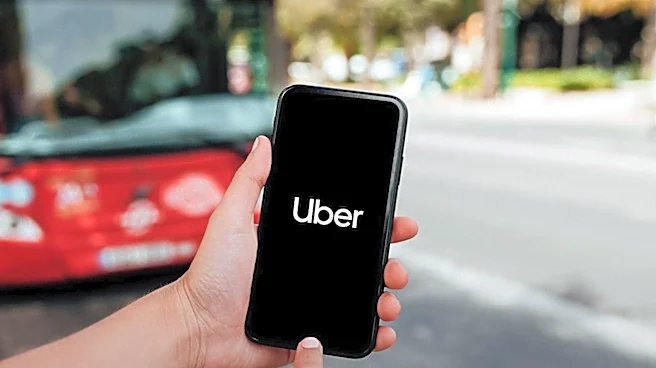
Uber Technologies Inc. is rolling out a new safety feature that allows parents or guardians to view a video livestream of their teenager's ride. This feature utilizes the driver's selfie camera and notifies an authorized guardian if a livestream is available
for viewing within the Uber app. Both the teen passenger and the driver will receive alerts when the parent is watching the stream. The nationwide rollout is expected in the coming weeks, following testing in nine U.S. markets, including Atlanta, Phoenix, Orlando, San Antonio, Cleveland, El Paso, Raleigh-Durham, Portland, and the state of Rhode Island. This initiative comes during the back-to-school season, a period when demand for car services for minors often increases. The teen ride product, which caters to individuals aged 13 to 17, has facilitated tens of millions of trips since its launch in 2023 and is available in over 50 countries globally. Livestreaming is optional and only available if drivers choose to enable it for rides. The app is designed to monitor device performance and will automatically pause the stream if necessary, such as due to an unstable connection or low battery. Uber recommends that drivers position their phones to provide a clear view of the back seat. Only adults linked to the teen account can view the livestream during an active trip, and the footage is not accessible to the driver, guardian, or teen after the trip concludes.
Why It's Important?
This new livestreaming feature represents a significant step in addressing parental concerns regarding the safety and supervision of minors using rideshare services. By offering real-time visual monitoring, Uber aims to increase transparency and provide greater peace of mind for parents, potentially boosting the adoption and trust in its teen ride product. The feature could differentiate Uber in the competitive rideshare market, particularly among families who prioritize safety. For drivers, the optional nature of the feature means they retain control over its use, though it introduces an additional layer of monitoring that some might find intrusive. The implementation also highlights the ongoing evolution of safety protocols in the gig economy, where technology is increasingly used to mitigate risks and enhance user security. The success of this feature could influence other rideshare and delivery platforms to explore similar real-time monitoring solutions, setting a new standard for safety in services involving minors. Furthermore, it underscores the growing demand for integrated safety features that leverage smartphone capabilities to provide immediate oversight, reflecting broader societal trends in parental supervision and digital connectivity.
What's Next?
The nationwide rollout of the livestreaming feature will proceed in the coming weeks, expanding its availability beyond the initial nine test markets. Uber will likely monitor user adoption rates and feedback from both parents and drivers to assess the feature's effectiveness and identify any areas for improvement. The company may also face discussions or debates regarding privacy implications, particularly concerning driver consent and the scope of parental monitoring. Depending on the success and reception of this feature, Uber might consider expanding similar real-time monitoring capabilities to other aspects of its services or introducing additional safety innovations. Competitors in the rideshare and delivery sectors will likely observe Uber's implementation closely, potentially leading to similar offerings or alternative safety measures in their own platforms. The ongoing development of AI agents, as mentioned in other contexts, could also play a role in future safety enhancements, such as automated anomaly detection during livestreams, though this would raise further ethical and privacy considerations.
Beyond the Headlines
The introduction of optional livestreaming for teen rides delves into complex ethical and privacy considerations. While designed to enhance safety, it raises questions about the balance between parental oversight and the privacy of both the minor and the driver. The 'optional' nature for drivers is crucial, but the societal expectation for such features could implicitly pressure drivers to enable them to attract more rides. This development also reflects a broader trend of increased surveillance in public and commercial spaces, driven by technological advancements and a heightened focus on safety. It could lead to a re-evaluation of privacy norms in the context of commercial services, particularly those involving vulnerable populations. Furthermore, the feature highlights the evolving legal landscape surrounding data collection and monitoring in the gig economy, potentially prompting new regulations or industry standards. The long-term impact on driver recruitment and retention, as well as the psychological effects on teen passengers who are constantly monitored, are areas that warrant deeper exploration beyond the immediate safety benefits.