





What's Happening?
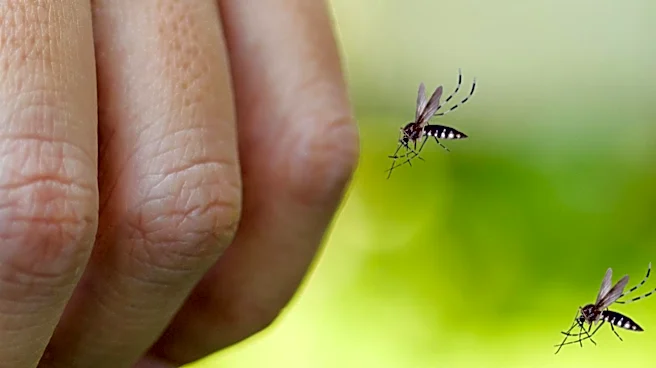
Salt Lake City is experiencing a significantly higher-than-normal risk of West Nile virus, with positive tests returning at levels seven times above the usual rate. The Salt Lake County Health Department has confirmed two human cases of the virus. This
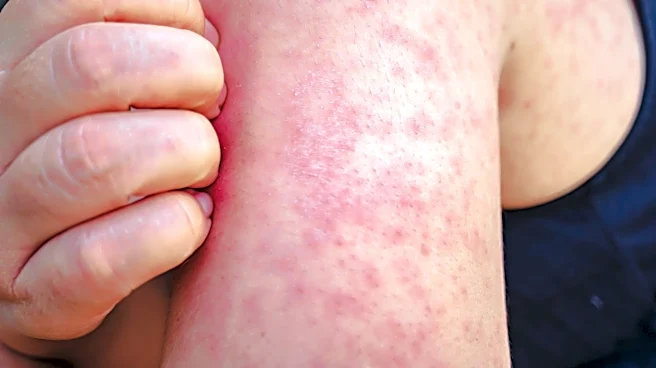
week, 35% of samples from the Salt Lake City Mosquito Abatement District tested positive for West Nile, compared to the typical 5% or less. Similar levels are reported in South Salt Lake Valley and Magna. The Centers for Disease Control and Prevention notes that West Nile virus can cause symptoms ranging from fever and headache to severe neurologic disease in less than 1% of cases. Residents are advised to use mosquito repellent, wear protective clothing, and eliminate standing water to reduce mosquito breeding.
Why It's Important?
The elevated risk of West Nile virus in Salt Lake City poses a public health concern, potentially affecting the local population's health and safety. The increase in mosquito-borne infections could lead to heightened healthcare demands and necessitate public health interventions. The situation underscores the importance of preventive measures and public awareness to mitigate the spread of the virus. The health department's warnings aim to prevent a larger outbreak, which could strain local healthcare resources and impact community well-being.
What's Next?
Residents are encouraged to follow preventive measures to reduce mosquito exposure. The health department will likely continue monitoring mosquito populations and infection rates. Public health campaigns may be intensified to educate the community on protective actions. The situation may prompt further discussions on resource allocation for mosquito control and public health preparedness in the face of vector-borne diseases.