








What's Happening?
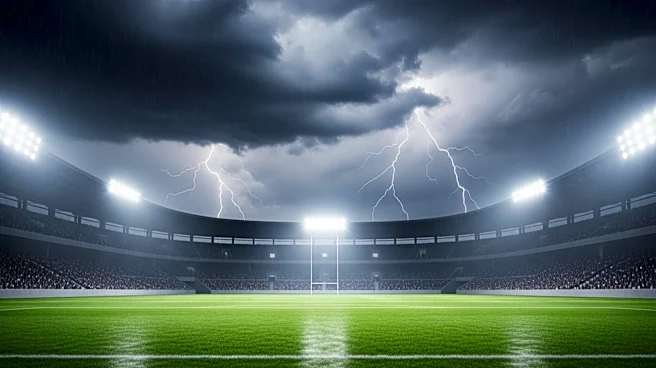
The U.S. power sector is intensifying efforts to adapt to increasingly severe climate conditions, as highlighted by the Electric Power Research Institute (EPRI). Over the past three years, the U.S. has experienced approximately 70 weather and climate disasters,
each causing over a billion dollars in damages. These events have underscored the need for a resilient power grid capable of withstanding extreme weather conditions. In response, EPRI has developed the Climate Resilience and Adaptation Initiative (Climate READi) framework, which provides a standardized approach for utilities to assess and mitigate climate risks. This initiative involves collaboration with over 40 utilities and 100 academic and governmental bodies. The U.S. Department of Energy (DOE) is also contributing through the Grid Resilience and Innovation Partnerships (GRIP) program, which allocates substantial federal funding to modernize grid infrastructure against natural disasters.
Why It's Important?
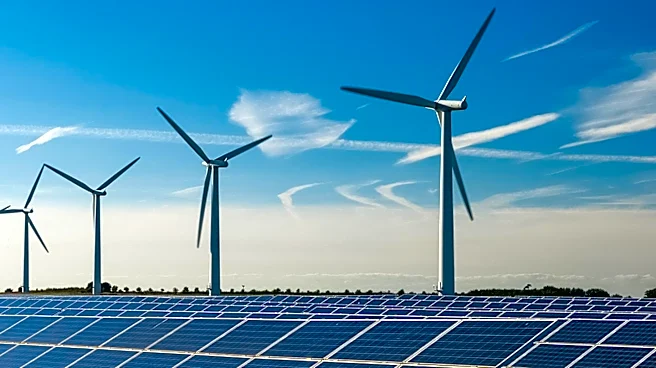
The adaptation of the power sector to climate challenges is crucial for maintaining reliable and affordable electricity in the U.S. As climate-related disasters become more frequent and severe, the resilience of the power grid is increasingly vital to national security and economic stability. The DOE's investment in grid modernization aims to protect the infrastructure from extreme weather, reduce electricity costs, and increase grid capacity. This is particularly important as electricity demand rises due to factors like increased manufacturing and the transition to renewable energy sources. The integration of climate resilience into grid planning ensures that the power sector can continue to meet the needs of consumers while addressing environmental sustainability.
What's Next?
The DOE's ongoing funding initiatives, such as the GRIP program, will continue to support the modernization of the power grid. Future awards are expected to be announced between October 2026 and January 2027. Meanwhile, the EPRI's Climate READi framework will guide utilities in making informed investment decisions to enhance grid resilience. The success of these efforts will depend on the ability of federal agencies, utilities, and researchers to collaborate effectively and implement the necessary changes swiftly. As climate conditions continue to evolve, the power sector must remain agile and proactive in its approach to infrastructure resilience.