




What's Happening?
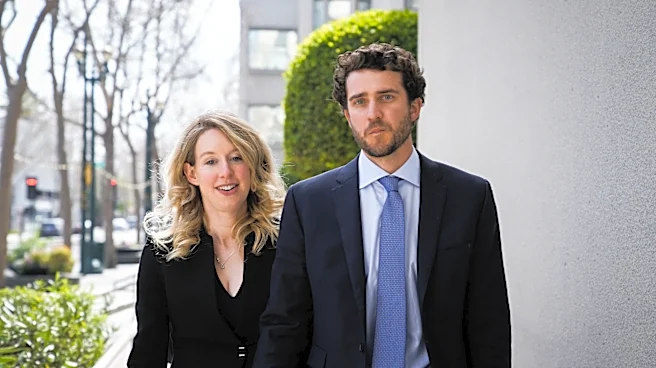
Billy Evans, partner of Elizabeth Holmes, is scheduled to give his first-ever television interview on the November 15 episode of CBS Sunday Morning. The interview will air at 6 a.m. PT/9 a.m. ET on CBS. During the conversation, Evans will discuss the documentary
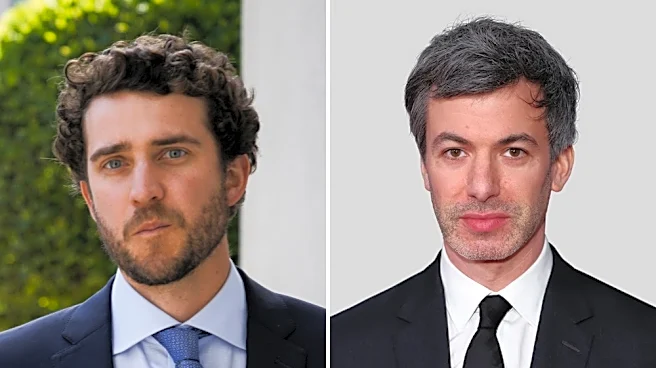
'You Can See Everything,' created by Nathan Fielder and Lance Oppenheim. Viewers can stream the interview live through various services that carry the CBS network, including DirecTV, Fubo, and Hulu + Live TV, all of which offer free trial periods. Alternatively, the episode will be available for live and on-demand streaming with a Paramount+ Premium subscription, or on-demand after the broadcast with Paramount+ Essential. Paramount+ Premium is also available as a complimentary three-month offer with certain DirecTV packages. DirecTV offers a five-day free trial for its streaming service, with packages starting from $20.99 per month. Fubo also provides a five-day free trial, with plans beginning at $54.99 for the first month. Paramount+ subscriptions start at $8.99 per month for the Essential plan.
Why It's Important?
This interview marks a significant public appearance for Billy Evans, who has largely remained out of the media spotlight despite his association with Elizabeth Holmes, a figure of considerable public interest due to the Theranos scandal. His decision to speak publicly, particularly about a documentary, could offer new perspectives or insights into his experiences and potentially shed light on aspects of Holmes's life or the broader context surrounding the events. For the public, especially those following the Theranos case, this interview provides a rare opportunity to hear directly from someone in Holmes's inner circle. Media outlets and legal observers will likely scrutinize his statements for any implications related to ongoing narratives or public perception. The interview also highlights the continued public fascination with high-profile legal cases and the individuals connected to them, demonstrating how personal narratives can intersect with broader societal discussions on ethics, entrepreneurship, and accountability.
What's Next?
Following the broadcast of Billy Evans's interview on CBS Sunday Morning, it is anticipated that media outlets will widely cover and analyze his statements. The content of the interview, particularly any new details or perspectives he shares regarding Elizabeth Holmes or the Theranos saga, will likely be dissected by journalists, legal experts, and the public. Social media platforms are expected to be abuzz with reactions and discussions. Depending on the nature of his comments, the interview could potentially influence public opinion or spark further interest in the documentary 'You Can See Everything.' There may also be follow-up reports or analyses from news organizations seeking to contextualize Evans's remarks within the broader narrative of the Theranos case. The interview could also prompt renewed interest in the legal proceedings or personal lives of those involved, keeping the story in the public consciousness.
Beyond the Headlines
Billy Evans's decision to grant a television interview, particularly in the context of a documentary, raises broader questions about the role of personal narratives in shaping public perception of high-profile legal cases. His appearance could be seen as an attempt to control or influence the narrative surrounding his partner, Elizabeth Holmes, or to offer a different perspective on events that have been extensively covered by the media. This highlights the ongoing interplay between legal proceedings, media representation, and public opinion. Furthermore, the interview underscores the enduring public fascination with figures involved in significant corporate scandals, often extending beyond the legal outcomes to the personal lives of those connected. It also reflects how documentaries and media appearances can serve as platforms for individuals to share their stories, potentially influencing public discourse and historical understanding of complex events. The interview could also spark discussions about privacy, public interest, and the ethics of media engagement for individuals connected to controversial figures.