







What's Happening?
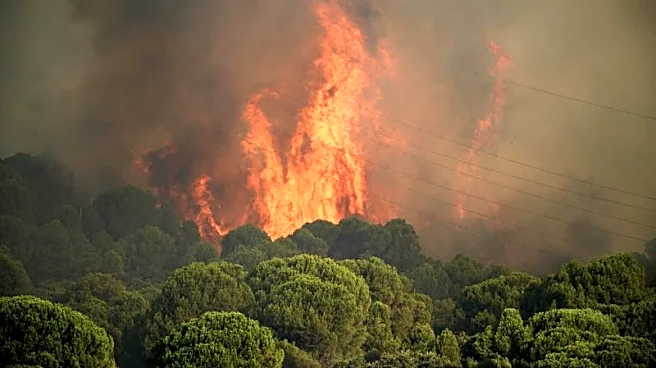
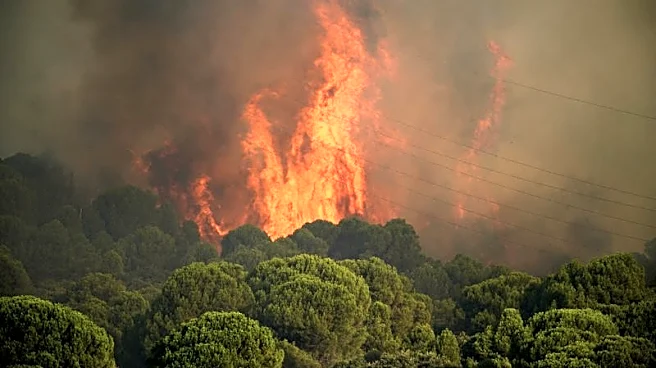
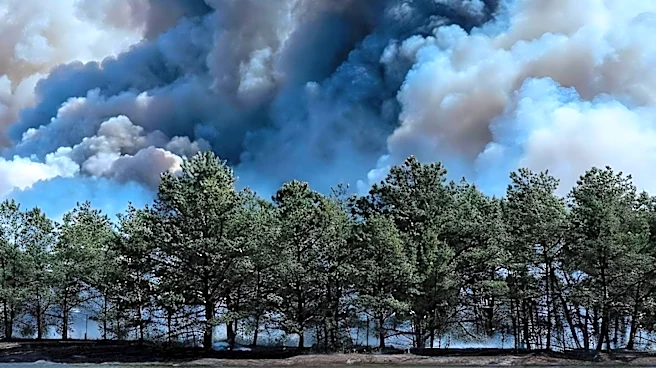
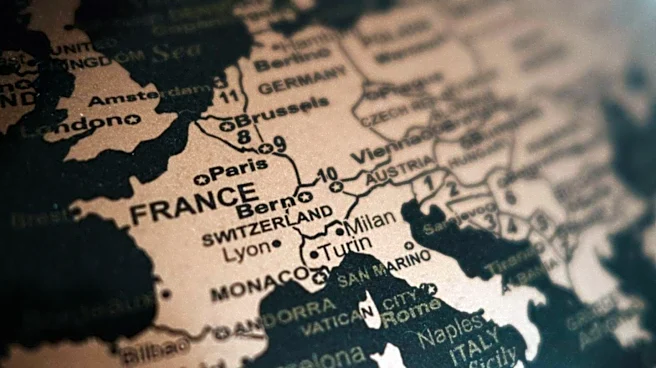
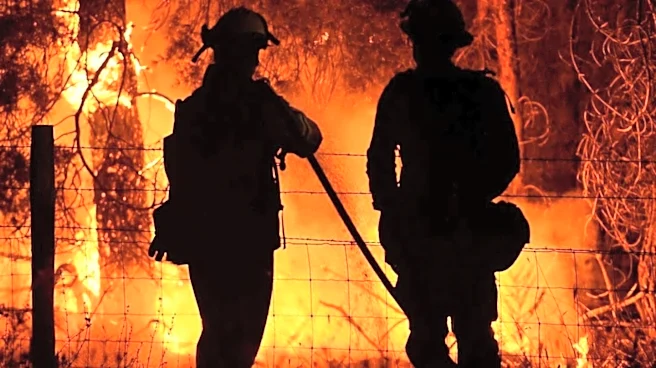
Wildfires in France and Spain have led to the evacuation of over 250,000 people as the fires continue to rage due to extreme weather conditions exacerbated by climate change. In France, nearly 242,000 acres have been destroyed, marking a historic record.
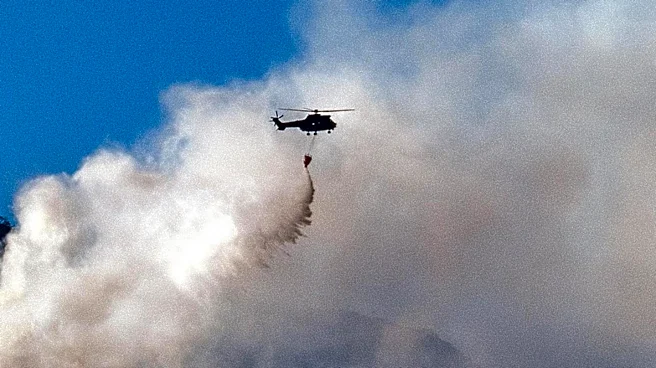
The fires have been fueled by successive heatwaves, with temperatures significantly above average. Emergency shelters have been set up for evacuees, and the French government has deployed military resources to assist in firefighting efforts. In Spain, the fires have claimed one life and prompted the government to declare a national emergency. The fires have been particularly severe in areas near Madrid, where smoke and ash have forced residents to evacuate.
Why It's Important?
The wildfires highlight the increasing frequency and intensity of natural disasters linked to climate change, posing significant challenges for emergency response systems and public safety. The evacuations and destruction of land underscore the urgent need for effective climate action and disaster preparedness. The economic impact is also substantial, affecting tourism and local economies, particularly in regions known for their natural beauty and agricultural production. The situation calls for international cooperation in firefighting efforts, as seen with the deployment of aircraft from other European countries to assist in controlling the blazes.
What's Next?
Efforts to control the fires will continue, with additional resources being deployed to the affected areas. The French and Spanish governments are likely to face increased pressure to implement more robust climate policies and improve disaster response strategies. The international community may also be prompted to enhance collaborative efforts in addressing climate-related disasters. Monitoring weather conditions will be crucial in predicting and mitigating future fire risks.
Beyond the Headlines
The wildfires serve as a stark reminder of the broader implications of climate change, including the potential for increased migration due to uninhabitable conditions and the strain on public health systems from heat-related illnesses. The events may also influence public opinion and policy discussions on climate change, potentially leading to more aggressive environmental regulations and investments in sustainable practices.