




What's Happening?
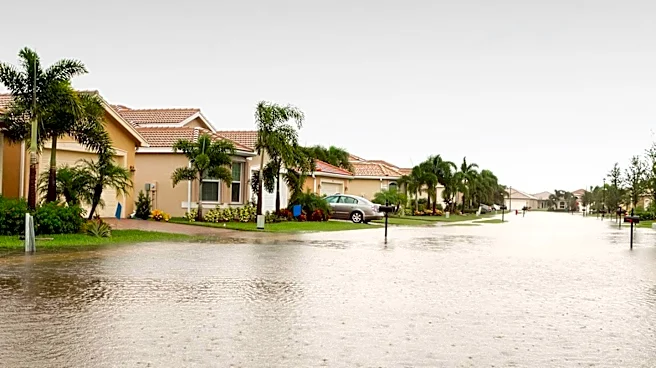
The Niagara region in Ontario, Canada, is dealing with severe flooding following an overnight rainstorm that brought 146 millimeters of rain. The storm overwhelmed drainage systems, leading to flooded properties, damaged crops, and high water levels.
Areas around Virgil and Niagara-on-the-Lake were particularly affected, with some homes experiencing water as deep as three feet. The local government has mobilized crews to assist affected residents and clear drainage systems. The flooding has also impacted local agriculture, with vineyards and farms suffering significant water damage.
Why It's Important?
The flooding in the Niagara region highlights the increasing frequency and intensity of weather events linked to climate change. The agricultural sector, a key component of the local economy, faces significant challenges as crops are damaged and land is inundated. This event underscores the need for improved infrastructure and emergency response systems to better manage such natural disasters. Additionally, it raises concerns about the long-term impacts of climate change on regional economies and the importance of developing adaptive strategies to protect vulnerable communities and industries.
What's Next?
As the region recovers from the flooding, local authorities will likely focus on assessing the damage and implementing measures to prevent future occurrences. This may involve upgrading drainage systems, enhancing flood defenses, and improving land use planning to reduce vulnerability. The event may also prompt discussions on climate adaptation policies and the need for increased investment in infrastructure resilience. Collaboration between government agencies, local communities, and the agricultural sector will be crucial in developing effective solutions to address the challenges posed by climate change.