






What's Happening?
Senator Bernie Sanders (I-Vt.) has introduced the Stop Social Security Garnishment Act, a legislative proposal aimed at preventing the federal government from seizing Social Security payments from older Americans and individuals with disabilities who
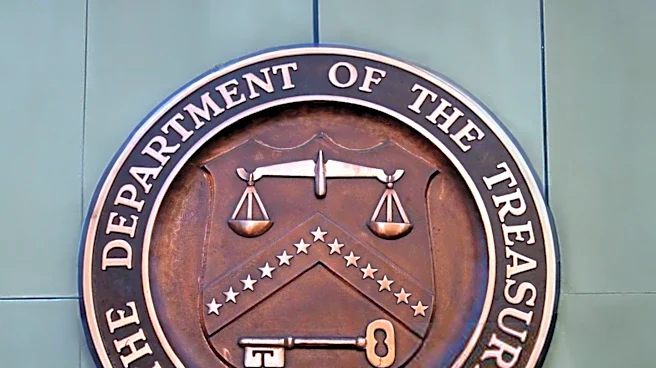
have defaulted on their student loans. The bill, co-sponsored by Senators Elizabeth Warren (D-Mass.) and Ed Markey (D-Mass.), seeks to bar the Treasury Department from using Social Security payments, including Social Security Disability Insurance, for federal student debt collection. Senator Sanders stated that the legislation is a response to an increasing number of seniors facing garnishment due to education cuts implemented under President Trump's 'One Big Beautiful Bill Act.' He emphasized that no senior in the wealthiest country should have their Social Security payments taken away, especially given rising costs for healthcare, prescription drugs, groceries, and housing. The bill comes as over 9 million Americans are in default on federal student loans, with student loan delinquency reaching 10.6% in the second quarter of 2026.
Why It's Important?
This legislation addresses a critical issue impacting vulnerable populations in the U.S., particularly older adults and those with disabilities, who are facing financial hardship due to student loan debt. The garnishment of Social Security benefits can severely compromise the economic stability and well-being of these individuals, many of whom rely on these payments for basic living expenses. The bill highlights the broader student debt crisis, which collectively amounts to nearly $2 trillion, with over $233 billion in default. The proposed changes could offer significant relief to those struggling with student loan repayments, preventing further financial distress and ensuring that Social Security, intended as a safety net, is not undermined by debt collection practices. It also brings into focus the impact of past legislative changes, such as President Trump's 'One Big Beautiful Bill,' which reportedly made federal student loans less forgiving and contributed to increased defaults.
What's Next?
The Stop Social Security Garnishment Act will now proceed through the legislative process in Congress. Its passage would require bipartisan support, which could be challenging given the current political climate and differing views on student debt relief and government spending. Major stakeholders, including advocacy groups for seniors, people with disabilities, and student loan borrowers, are likely to rally in support of the bill. Conversely, some financial institutions and those who advocate for stricter debt repayment policies may oppose it. The Trump administration's recent actions, such as moving borrowers off the Biden-era SAVE repayment plan, suggest a continued push for more stringent collection methods, which could intensify the debate around this bill. The outcome will significantly influence the financial security of millions of Americans with student loan debt and could set a precedent for future policies regarding federal debt collection.
Beyond the Headlines
The debate surrounding the Stop Social Security Garnishment Act extends beyond immediate financial relief, touching upon fundamental questions of social welfare, economic justice, and the role of government in protecting its most vulnerable citizens. The practice of garnishing Social Security benefits for student debt raises ethical concerns about whether a social safety net designed to prevent poverty should be used to recover educational loans, especially when many borrowers are facing economic precarity. This situation also underscores the long-term consequences of rising education costs and the increasing reliance on student loans, which can burden individuals for decades, even into retirement. The bill's success or failure could influence public perception of the federal government's commitment to addressing the student debt crisis and its willingness to prioritize the financial security of seniors and disabled individuals over debt recovery. It also highlights the ongoing tension between fiscal responsibility and social responsibility in U.S. policymaking.