


What's Happening?
Greenland, known for its vast mineral resources, is attracting global attention due to its deposits of copper, zinc, graphite, gold, and rare earth elements. These resources are crucial for various industries, including electronics and defense systems.
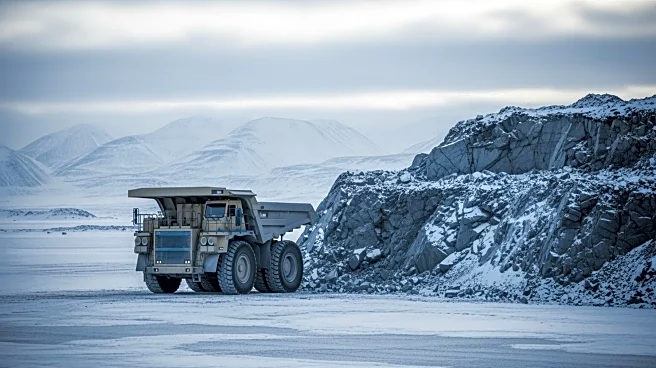
However, the island's harsh environment, characterized by limited infrastructure and severe weather conditions, poses significant challenges to mining operations. Currently, Greenland hosts only one fully operational mine, run by Lumina Sustainable Materials, which extracts anorthosite used in industrial applications. The logistical difficulties, such as the lack of roads and the need for long-term financing, have stalled many mining projects. Despite having over 100 mineral licenses, the development of new mines is slow, with exploration limited to a few months each year due to ice coverage.
Why It's Important?
The strategic importance of Greenland's mineral resources is underscored by the global push to diversify supply chains away from China. As countries like the U.S. and Europe seek alternative sources for critical minerals, Greenland's potential as a supplier becomes increasingly significant. However, the island's reliance on foreign investment and the need for sustainable development practices highlight the complexities involved in tapping into these resources. The development of Greenland's mining sector could lead to greater economic independence from Denmark, providing new revenue streams and job opportunities for Greenlanders. Yet, the slow pace of development and the high-risk nature of mining investments pose challenges to realizing this potential.
What's Next?
Future developments in Greenland's mining sector will likely depend on the ability to attract and maintain foreign investment while adhering to strict environmental and social standards. The government requires mining projects to create jobs for locals and protect the environment, which could influence the pace and nature of future mining activities. As Lumina Sustainable Materials continues to explore rare earth minerals, the success of such ventures could pave the way for more mining projects, gradually increasing Greenland's autonomy. However, the path forward is expected to be gradual, with each new mine requiring careful planning and coordination with local stakeholders.
Beyond the Headlines
The potential mining boom in Greenland raises questions about the balance between economic development and environmental preservation. The island's pristine landscapes and unique ecosystems are at risk if mining activities are not managed sustainably. Additionally, the geopolitical implications of Greenland's mineral wealth could influence international relations, particularly as countries vie for access to these critical resources. The development of Greenland's mining sector could also serve as a model for other remote regions with similar resource potential, highlighting the importance of sustainable practices in resource extraction.