






What's Happening?
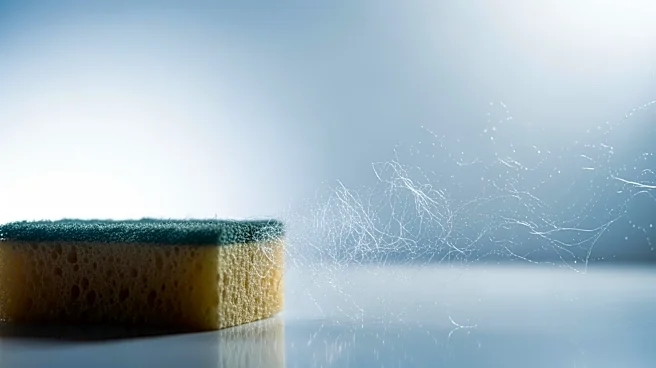
A study published in ACS Environmental Science & Technology has found that melamine sponges, commonly used for cleaning, release trillions of microplastic fibers into the environment. These sponges, known for their stain-removing capabilities, are made
from poly(melamine-formaldehyde) polymer, which breaks down into microplastic fibers during use. These fibers can enter wastewater systems and eventually reach rivers, lakes, and oceans, posing a threat to aquatic life and potentially entering the human food chain.
Why It's Important?
Microplastic pollution is a growing environmental concern, with these tiny particles being found in various ecosystems worldwide. The release of microplastics from everyday cleaning products like sponges highlights the pervasive nature of plastic pollution. This study underscores the need for increased awareness and action to reduce microplastic emissions from consumer products. The findings could prompt manufacturers to develop more sustainable cleaning solutions and encourage consumers to adopt environmentally friendly practices.
What's Next?
Manufacturers may explore the development of denser and more durable sponges to reduce microplastic release. Consumers might be encouraged to switch to natural cleaning alternatives that do not contribute to plastic pollution. Additionally, improvements in wastewater treatment processes could be implemented to better capture microplastics before they enter natural water bodies. Policymakers may also consider regulations to limit the environmental impact of plastic-based cleaning products.