








What's Happening?
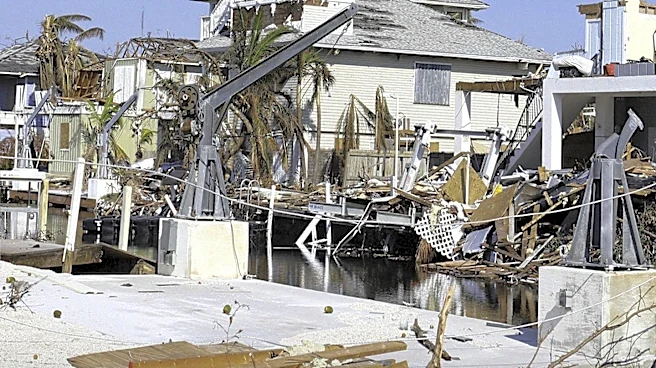
Three weeks after an EF3 tornado impacted Wisconsin's Fox Valley on July 27, recovery operations are ongoing in affected communities, including Menasha and Fox Crossing. Menasha's mayor provided updates on Monday, indicating that debris removal will continue
throughout the week. A citywide curfew and burn ban remain in effect, with public notices to be issued upon their lifting. The Menasha Common Council is scheduled to review a draft framework for long-term recovery on Monday evening, focusing on neighborhood reinvestment, home rebuilding, and utility and road repairs. City officials plan to gather community feedback over the next five months, with the finalized plan slated for adoption in January. In Fox Crossing, codes and request forms are being waived to expedite tornado cleanup, with the August West Side Brush and Branch Pickup underway. Residents on specific garbage routes do not need to submit request forms for this week's pickup, and all debris must be placed at the road by Thursday morning. Additionally, free legal clinics are being offered to tornado survivors across the Fox Valley, with volunteer attorneys and paralegals providing assistance. The first clinic is scheduled for Tuesday at the Oshkosh Public Library, with subsequent clinics planned for the Menasha Public Library on September 1 and the Neenah Public Library on September 8. Online legal aid and state insurance guides for homeowners are also available.
Why It's Important?
The ongoing recovery efforts in Wisconsin's Fox Valley highlight the significant and lasting impact of natural disasters on local communities. The coordinated response from municipal governments, such as Menasha's long-term recovery framework and Fox Crossing's expedited cleanup measures, is crucial for restoring normalcy and supporting residents. The focus on neighborhood reinvestment and rebuilding homes underscores the economic and social challenges faced by affected areas. The provision of free legal clinics is particularly important, as tornado survivors often encounter complex issues related to insurance claims, property rights, and rebuilding regulations. This initiative helps ensure equitable access to legal assistance, preventing further hardship for vulnerable populations. The community engagement process for Menasha's recovery plan emphasizes the importance of local input in shaping effective and sustainable rebuilding strategies. The collective efforts demonstrate a commitment to not only physical reconstruction but also to the social and economic resilience of the Fox Valley region in the aftermath of a devastating natural event.
What's Next?
In Menasha, debris removal is expected to continue through the week, with the citywide curfew and burn ban remaining in place until further notice. The Menasha Common Council will review the draft recovery framework on Monday evening, marking a significant step towards long-term planning. Following this, city officials will spend the next five months gathering community feedback, with the finalized plan anticipated for official adoption in January. For Fox Crossing residents, the August West Side Brush and Branch Pickup is ongoing, and those on Tuesday, Wednesday, and Friday garbage routes are exempt from submitting request forms for this week's pickup. Debris must be placed at the road by Thursday morning, and Thursday routes will continue until further notice. Tornado survivors can access free legal clinics, with the first session scheduled for Tuesday at the Oshkosh Public Library. Additional clinics are planned for September 1 at the Menasha Public Library and September 8 at the Neenah Public Library. The availability of online legal aid and state insurance guides will also continue to support homeowners in the recovery process.
Beyond the Headlines
The recovery in the Fox Valley extends beyond immediate cleanup and rebuilding, touching upon deeper issues of community resilience and preparedness for future natural disasters. The structured approach to long-term recovery, including neighborhood reinvestment and community feedback, suggests a proactive effort to build back stronger and more sustainably. This event may prompt a re-evaluation of local zoning laws, building codes, and emergency response protocols to better withstand extreme weather events. The provision of free legal aid highlights the often-overlooked legal complexities that disaster victims face, emphasizing the need for accessible support services in such crises. Furthermore, the collective experience of the tornado could foster a stronger sense of community solidarity and mutual aid, potentially leading to enhanced volunteer networks and local support systems. The long-term psychological impact on residents, particularly those who lost homes or experienced trauma, will also require sustained attention and resources, underscoring the holistic nature of disaster recovery.