




What's Happening?
Iran and Oman have reportedly made some progress in discussions regarding navigation through the Strait of Hormuz. According to sources familiar with the matter, Oman has proposed the creation of a regional consortium to oversee maritime security, search-and-rescue
operations, and other cooperative efforts. This proposal suggests voluntary participation and payments, which Iran has opposed, advocating instead for mandatory payments to ensure vessel passage. The Iranian Foreign Ministry confirmed that several rounds of talks have occurred between deputy ministers in Tehran, focusing on establishing common principles and operational mechanisms for safe shipping traffic while respecting the sovereign rights of both coastal states. Despite the progress, it remains uncertain if Iran will accept the current proposal.
Why It's Important?
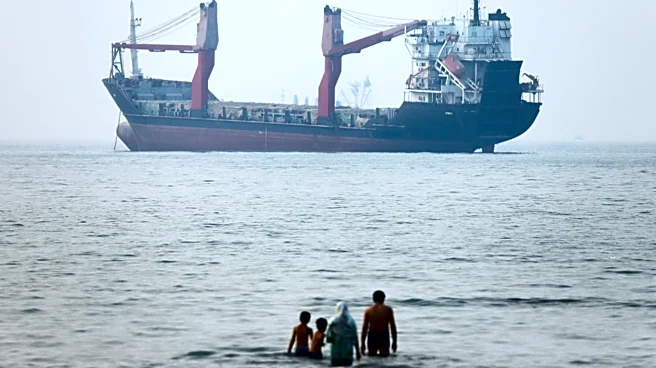
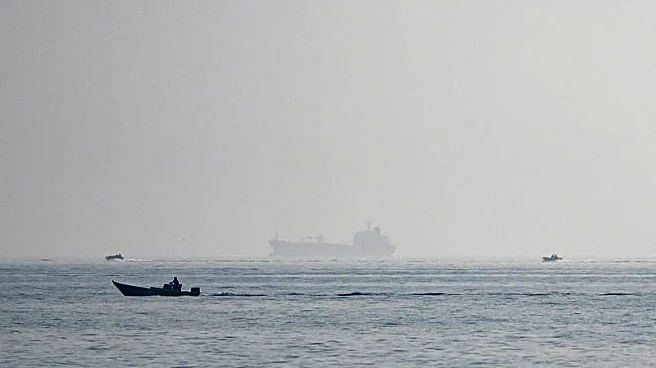
The Strait of Hormuz is a critical chokepoint for global oil transportation, with a significant portion of the world's oil supply passing through it. The ongoing discussions between Iran and Oman are crucial as they aim to enhance maritime security and cooperation in this strategically vital region. The outcome of these talks could impact global oil markets, especially if disruptions occur due to unresolved tensions. The proposal for a regional consortium could lead to improved stability and security in the strait, benefiting international shipping and energy markets. However, Iran's insistence on mandatory payments could complicate negotiations and affect the willingness of other nations to participate.
What's Next?
Further technical and political consultations between Iran and Oman are expected to continue as both sides work towards a mutually agreeable solution. The international community, particularly countries reliant on oil shipments through the Strait of Hormuz, will be closely monitoring these developments. Potential reactions from major stakeholders, including oil-importing nations and global shipping companies, could influence the direction of the talks. The resolution of these discussions could set a precedent for future regional cooperation in maritime security.