








What's Happening?
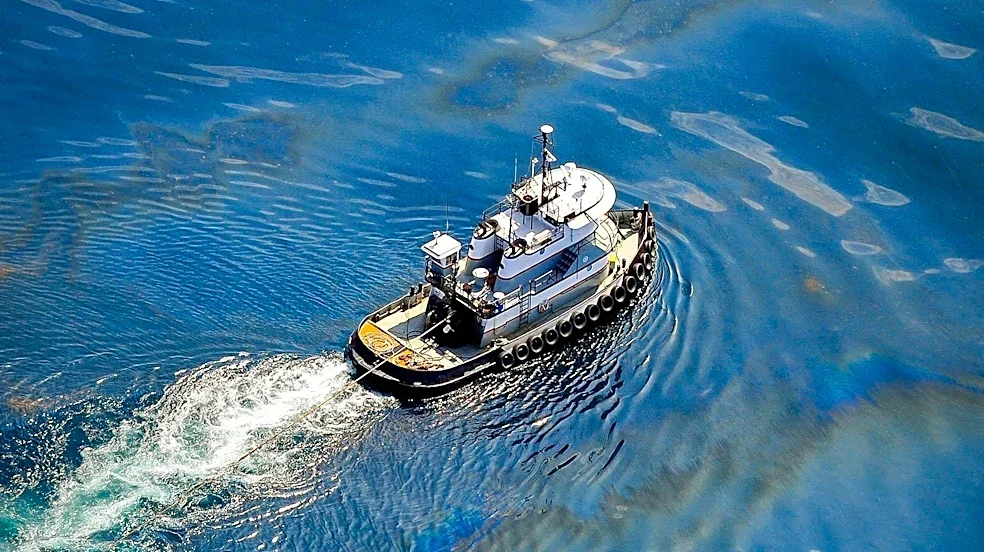
Singapore, Indonesia, and Malaysia recently conducted a ground deployment exercise (GDX) as part of the Revolving Fund Committee to enhance their coordinated response to oil spills in the Straits of Malacca and Singapore. This exercise, a precursor to Singapore’s
17th Joint Oil Spill Exercise (JOSE) 2026, simulated an oil spill resulting from a vessel collision in Singaporean waters that subsequently affected the coastlines of Indonesia and Malaysia. The Maritime and Port Authority of Singapore (MPA) led the GDX, which focused on testing information sharing protocols, response planning, and mutual assistance among the three littoral states. Both Indonesia and Malaysia deployed their respective response assets in their waters to evaluate their arrangements under the simulated scenario. Additionally, the MPA hosted representatives from various government agencies, industry partners, and international organizations at the Integrated Operations Hub (IOH) Lab as part of JOSE 2026. This program showcased Singapore’s oil spill response capabilities and explored the integration of emerging technologies in future operations. Attendees included representatives from the International Maritime Organization (IMO), ITOPF, Indonesia’s Directorate General of Sea Transportation, and Malaysia’s Department of Environment.
Why It's Important?
This joint exercise is crucial for enhancing regional maritime safety and environmental protection in one of the world's busiest shipping lanes. The Straits of Malacca and Singapore are vital for global trade, and any significant oil spill could have devastating economic and ecological consequences for the littoral states and beyond. By strengthening coordination and testing response mechanisms, the three nations aim to minimize the impact of potential maritime disasters. The involvement of international organizations like the IMO underscores the global significance of these efforts and promotes adherence to international best practices in oil spill response. Furthermore, the exploration of emerging technologies, such as the MPA’s Maritime Digital Twin and the use of unmanned aerial and surface vessels, signifies a forward-looking approach to improving efficiency and effectiveness in emergency situations. This proactive stance helps protect marine biodiversity, fishing industries, and coastal communities that are vulnerable to pollution.
What's Next?
The insights gained from this GDX and JOSE 2026 will likely inform future refinements in oil spill response protocols and inter-agency cooperation among Singapore, Indonesia, and Malaysia. The continued development and integration of advanced technologies, such as AI for response planning and unmanned systems for surveillance and containment, are expected. Further collaborative exercises and training programs are also probable to ensure sustained readiness and adaptability to evolving maritime risks. The participation of international bodies suggests ongoing efforts to align regional response strategies with global standards, potentially leading to more robust international partnerships in maritime environmental protection. The focus on technological advancements indicates a trend towards more efficient and less human-intensive response operations, which could set new benchmarks for other maritime regions.
Beyond the Headlines
The collaborative nature of this exercise highlights the growing recognition that environmental challenges, particularly those in shared maritime spaces, require transnational solutions. It underscores the principle of shared responsibility among nations for protecting common resources and mitigating cross-border environmental threats. The adoption of advanced technologies like AI and unmanned vehicles in oil spill response also signals a broader shift towards leveraging innovation for environmental management and disaster preparedness. This could lead to the development of specialized maritime tech industries and foster greater investment in research and development for environmental protection. Ethically, such joint efforts demonstrate a commitment to safeguarding marine ecosystems for future generations, balancing economic activities with ecological stewardship in a critical global waterway.