








What's Happening?
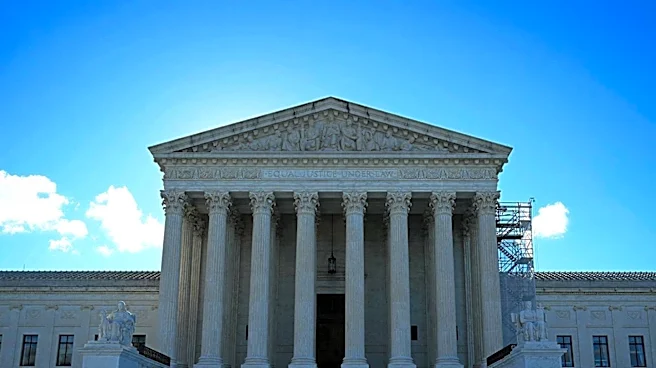
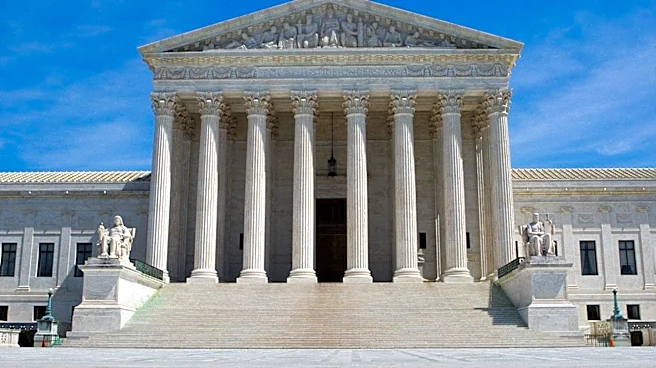
New Hampshire's judicial ethics system is being highlighted as a potential model for the U.S. Supreme Court, which currently lacks a formal framework for addressing judicial misconduct. Unlike the Supreme Court, New Hampshire has a Judicial Conduct Committee,
established by the state supreme court, comprising 11 members—only three of whom are judges. This committee investigates potential violations of the state's Code of Judicial Conduct, which closely follows the American Bar Association's Model Code. The committee can compel testimony, conduct public hearings, and recommend sanctions to the state supreme court, with the harshest being suspension without pay. This system led to the resignation of former Chief Justice Gordon MacDonald after an investigation found he violated multiple rules. In contrast, lower federal courts have an internal review process, while the U.S. Supreme Court has no external committee or formal mechanism to receive or investigate complaints against justices, relying instead on an advisory ethics code and an Office of Legal Counsel for advice.
Why It's Important?
The absence of a robust ethics framework at the U.S. Supreme Court raises significant concerns about accountability and public trust in the nation's highest judicial body. The Supreme Court's decisions have profound impacts on American society, politics, and law, making the ethical conduct of its justices paramount. The New Hampshire model, with its independent committee and clear investigative powers, offers a transparent and effective mechanism for addressing misconduct, which could enhance the legitimacy and impartiality of the judiciary. Without such a system, allegations of ethical breaches can erode public confidence and create perceptions of unchecked power, potentially undermining the court's authority and the rule of law. Implementing a similar framework could provide a vital check on judicial power and ensure that justices are held to high ethical standards.
What's Next?
The discussion around adopting a more robust ethics framework for the U.S. Supreme Court is likely to continue, with advocates pointing to state models like New Hampshire's. If the Supreme Court does not voluntarily establish such a system, Congress has the authority to legislate a process for holding justices accountable. This could involve creating an independent body to investigate complaints, establishing clear disciplinary procedures, and making ethics opinions binding. Potential reactions from major stakeholders could include calls from civil society groups for reform, legislative proposals from lawmakers, and internal discussions within the judiciary about the need for greater transparency and accountability. The outcome could significantly alter the ethical landscape of the Supreme Court and its relationship with the public.
Beyond the Headlines
The debate over judicial ethics extends beyond mere procedural mechanisms; it touches upon fundamental principles of democratic governance and the separation of powers. The lack of an external accountability mechanism for Supreme Court justices highlights a unique vulnerability in the U.S. system, where lifetime appointments are coupled with minimal oversight. This situation can lead to questions about judicial independence versus judicial accountability. A more formalized ethics system could not only address misconduct but also serve to vindicate justices against meritless accusations, thereby protecting the court's integrity. The broader implication is a potential shift in how the public perceives the judiciary, moving towards an expectation of greater transparency and adherence to ethical norms comparable to other branches of government, fostering a more accountable and trusted judicial system.